

Many people often wonder if their weight is in a healthy range. A quick online tool can provide a starting point for this journey. Our BMI calculator online is designed to be super simple, allowing anyone to find their body mass index in just seconds.
Check your BMI with our calculator 👉
This calculator uses the standard formula based on height and weight to give you a reliable snapshot of where you stand. Best of all, it’s free! You won’t need to sign up or share your email to use it.
Getting your mass index result takes just a few clicks, and you’ll see your category right on the screen. This tool is meant for adults aged 20 and older, offering a number that can help kickstart conversations about your health.
While this calculator is a handy first step, it’s important to remember that it’s not a medical diagnosis. Always consider talking to a doctor about your body and health.
In this article, we’ll walk you through everything from understanding what body mass index means to making sense of your results in a down-to-earth way.
Key Takeaways
- Quickly assess your weight status with our easy-to-use tool.
- Get results without the hassle of signing up or sharing personal info.
- Designed for adults 20 and older, providing a reliable health snapshot.
- Use the results as a conversation starter about your health.
- Remember, this tool is not a substitute for professional medical advice.
Understanding BMI Calculator Online and Why It Matters
Body mass index (BMI) is a tool that helps you understand your weight in relation to your height. It gives you a number that indicates whether you are underweight, at a healthy weight, overweight, or obese. This simple calculation is a great starting point for assessing your overall health.
The formula for calculating BMI is straightforward. For metric units, divide your weight in kilograms by your height in meters squared. If you’re using US units, multiply your weight in pounds by 703 and then divide by your height in inches squared. This calculation works the same for everyone, regardless of gender, making it an accessible measure for adults.
What BMI Tells You About Your Body
This number isn’t just a random figure; it’s a valuable measure that health professionals have used for decades. It can help identify potential weight-related health issues early on. A higher BMI may indicate a greater risk for conditions like heart disease and diabetes, while a lower BMI might suggest nutritional deficiencies.
How BMI Fits Into Your Overall Health Picture
While BMI is a useful tool, it’s only one piece of the health puzzle. It’s essential to consider other factors like blood pressure, cholesterol levels, and family history when evaluating your health. Understanding your body mass index can motivate you to make small changes that can lead to significant health improvements over time.
Remember, this isn’t about judging anyone’s body. It’s about providing information that can help you make informed choices. By tracking your BMI and understanding its implications, you can take proactive steps toward a healthier lifestyle.
Check your BMI with our calculator 👉
For more detailed information on BMI and its implications, check out the CDC’s resources.
How to Use a BMI Calculator Online Without Any Confusion
Calculating your weight status with a simple tool can be a breeze if you know the steps. Using our body mass index calculator is straightforward, and I’m here to walk you through it just like I would with a friend over coffee.
Entering Your Height and Weight the Right Way
First things first, you’ll need to enter your height and weight accurately. Make sure to take off your shoes before weighing yourself. This way, you’ll get the most precise reading. When measuring your height, stand straight against a wall to ensure you’re getting it right.
Common mistakes include mixing up pounds and kilograms or guessing your height instead of measuring it. Avoid these pitfalls to get the best results!
Choosing Between Metric and US Units
Next, you’ll need to choose between metric units like kilograms and centimeters or US units like pounds and inches. This is crucial because the calculator needs to know which system you’re using to calculate your body mass index correctly.
Once you’ve selected your units, simply plug in your numbers. The calculator will handle the formula math behind the scenes and give you your body mass index number in a flash.
Seeing Your Results and What They Mean
After hitting that calculate button, you’ll see your body mass index number along with the weight height category you fall into. It’s all laid out clearly, so you don’t need to be a math whiz to figure it out.
If you’re curious, the calculator can also provide the ponderal index, which is another way to look at body mass. And remember, if you’re calculating for a child or teen, be sure to use a different tool made specifically for their age group.

| Measurement Type | US Units | Metric Units |
|---|---|---|
| Weight | Pounds (lbs) | Kilograms (kg) |
| Height | Inches (in) | Meters (m) |
| BMI Formula | BMI = 703 × weight (lbs) / height² (in) | BMI = weight (kg) / height² (m) |
Now that you know how to use the calculator, you’re ready to take the next step in understanding your health!
Breaking Down BMI Categories: From Underweight to Obesity
Check your BMI with our calculator 👉
Understanding where you fit within the weight categories can empower your health journey. These categories provide insight into your body mass and can help you make informed decisions about your health.
Recognizing the Healthy Weight Range
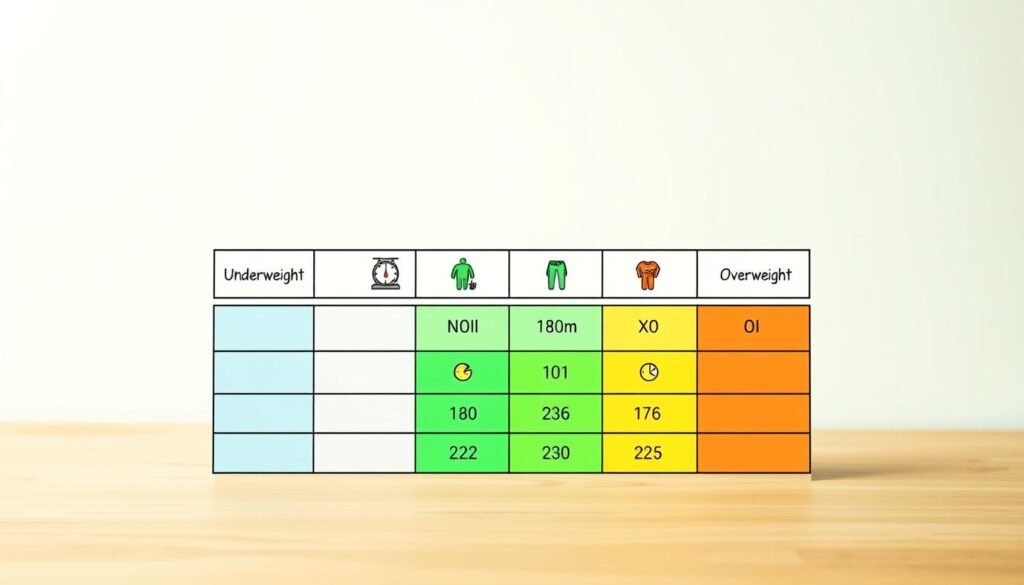
The healthy weight range for adults is between 18.5 and 24.9. Staying within this zone is linked to better health outcomes for most people. It suggests that you have a balanced amount of body fat and muscle.
For example, a person who is 5 feet 4 inches tall should weigh between 110 and 145 pounds to be considered in the healthy range. This balance helps reduce the risk of various health issues.
Understanding Overweight and Obesity Classes
When someone’s weight falls into the overweight category, it typically ranges from 25.0 to 29.9. While this might not seem alarming, it can lead to health risks if not addressed.
Obesity starts at a body mass index of 30.0 and is further classified into three classes:
- Class 1: 30.0 to 34.9
- Class 2: 35.0 to 39.9
- Class 3: 40.0 or greater, also known as Severe Obesity
These classifications help healthcare providers assess potential health risks and tailor interventions accordingly.
Special Considerations for Children and Teens
For children and teens, BMI is calculated differently due to their ongoing growth and development. Instead of using the same categories as adults, doctors refer to age- and sex-specific growth charts from the CDC.
In this case, percentiles are used to determine weight status:
- Underweight: Less than the 5th percentile
- Normal weight: 5th to less than the 85th percentile
- Overweight: 85th to less than the 95th percentile
- Obesity: 95th percentile or higher
This approach allows parents to see how their child compares to others in the same age group. It’s important to remember that one high reading doesn’t mean panic; tracking patterns over time and discussing them with a pediatrician is key.
Health Risks Linked to Different BMI Ranges
Knowing the potential health risks linked to your weight can guide your wellness journey. It’s important to understand how your body mass index can affect your overall health. Let’s explore the risks associated with being overweight or obese, as well as the lesser-discussed dangers of being underweight.
Risks of Being Overweight or Obese
Carrying extra weight can lead to serious health issues. Higher body mass index levels are often associated with conditions like:
- Type 2 diabetes
- Heart disease
- High blood pressure
- Stroke
- Gallbladder disease
- Osteoarthritis
- Sleep apnea
- Certain cancers, including breast and colon cancer
- Mental health issues, such as depression and anxiety
Even a small shift in your body mass index can start to affect things like cholesterol levels and blood sugar over time. The American Cancer Society notes that excess body fat is linked to various cancer risks, emphasizing the importance of maintaining a healthy weight.
Risks of Being Underweight
While much attention is given to overweight and obesity, being underweight can also pose significant health risks. These may include:
- Malnutrition
- Vitamin deficiencies
- Anemia
- Osteoporosis
- Decreased immune function
- Growth issues in children
- Reproductive issues for women
For women, being underweight can disrupt hormones and menstrual cycles, potentially leading to fertility issues. It’s essential to recognize that both ends of the weight spectrum carry risks that deserve attention.
How BMI Relates to Disease Risks Like Diabetes and Heart Issues
Connecting the dots between your body mass index and disease risks can help you make informed health choices. It’s crucial to understand that while a higher BMI may increase the odds of certain diseases, it doesn’t guarantee they will occur. Think of your BMI number as one signal among many when evaluating your overall health picture.
Remember, your journey toward better health is unique to you. Whether you’re looking to maintain a healthy weight or make changes, having the right information can empower you to take action.

For more insights on understanding your body mass index and its implications, check out our BMI calculator.
Limitations of BMI: What the Calculator Doesn’t Tell You
When it comes to understanding weight and health, many people rely on the body mass index (BMI). However, this tool isn’t perfect. It sometimes misrepresents the health of certain groups, making it crucial to dig deeper.
One significant factor is muscle mass. Muscle weighs more than fat by volume. This means a fit person, like a bodybuilder or a football player, might have a high BMI but still be in great shape. They may be classified as overweight or even obese by the BMI alone, despite having low body fat. This can be misleading.
Age also plays a role. As people get older, they often lose muscle and gain fat. This shift can happen without much change on the scale. Therefore, an older adult might have the same BMI as a younger adult but could have a different body composition.
Women naturally carry more body fat than men at the same BMI. This difference means that BMI doesn’t tell the full story when comparing men and women. Two people with the same height and weight can have very different health profiles based on their body composition.
For children and teens, the limitations of BMI are even trickier. Their bodies develop at different rates, and a single number can’t capture their growth patterns. It’s essential to consider other factors, like waist size, diet, and physical activity, along with how they feel day to day.
While BMI is a decent starting point for about 90 to 95 percent of people, it’s not the final word on anyone’s health. Look beyond the number. Consider a holistic view of health that includes various factors. This approach can lead to a more accurate understanding of your body and overall well-being.
For more detailed insights into body composition and health, check out the CDC’s resources.
Interpreting Your BMI Results and Next Steps
Once you have your body mass index number, it’s time to think about what it means for your health. Understanding your results is crucial, and discussing them with your doctor can provide clarity. Here are some practical steps to take after calculating your weight status.
Talking to Your Doctor About Your BMI
Bringing up your body mass index during a doctor’s visit can feel awkward, but it’s an important conversation. Start by asking, “What does my BMI number mean for my specific health history?” This question opens the door for a deeper discussion.
Don’t hesitate to ask about other tests that might give a clearer picture of your health. For example, inquire about blood work or waist circumference measurements. These can help your doctor understand your overall health better.
Making Lifestyle Choices Based on Your BMI Category
Your BMI category can guide your lifestyle choices. If you find yourself in the overweight or obese range, consider small, consistent changes. For instance, aim to increase your daily activity levels. Even short walks can make a difference!
If you’re in the underweight category, think about how to gain weight healthily. Focus on nutrient-dense foods and perhaps consult a nutritionist for personalized advice. Remember, small shifts in your daily routine can lead to lasting changes.
Using BMI Along with Other Health Measures
Pairing your body mass index with other health measures can provide a fuller view of your health. Consider factors like blood pressure, cholesterol levels, and waist circumference. These additional measures can highlight areas that need attention.
For women, hormonal changes over the years can affect body fat distribution. This is something to discuss with your healthcare provider as well. Remember, your BMI is just one tool in your health toolkit.
Think of your body mass index as a conversation starter, not the whole conversation. Whatever your number says, there are always steps you can take to feel better and improve your health.
| BMI Category | Recommended Actions |
|---|---|
| Underweight | Focus on nutrient-dense foods; consult a nutritionist. |
| Healthy Weight | Maintain current habits; stay active. |
| Overweight | Incorporate more physical activity; monitor diet. |
| Obese | Seek guidance from a healthcare provider; consider a structured weight loss plan. |
Getting the Most from Our BMI Calculator Online
Check your BMI with our calculator 👉
Staying informed about your weight can be a vital part of your health journey. Our Check your BMI with our calculator 👉 is always here when you want to check in on your body mass index. Consider bookmarking it to track changes over the months and years. Watching your number shift can be motivating, whether you’re working toward a healthy weight or maintaining one.
Feel free to share this tool with friends or family who might be curious about their own weight status. It’s designed for both men and women and is quick enough to use during a coffee break. The BMI table and category ranges are based on solid research from the World Health Organization and the CDC.
While the calculation formula is standardized, the real value comes from how you use the information. Pair regular checks with healthy habits like staying active, eating well, and getting enough sleep. Remember, knowing your number is just step one. The real win is using that knowledge to make choices that support your long-term health.