
You’ve probably heard that the number 8 holds special significance in Chinese culture. But what makes it so important? This guide will take you through the fascinating reasons behind its popularity. From the way the word for 8 sounds like something wonderful to its presence in everyday life, you’ll see how deeply this number is woven into the fabric of Chinese society.
For many, 8 symbolizes wealth and prosperity. It’s not just superstition; it’s a belief that influences decisions in big ways. People often pay top dollar for phone numbers or license plates featuring multiple eights. The opening ceremony of the 2008 Summer Olympics in Beijing even started at a precise moment—8:08:08 PM on 8/8/08—showing just how much this number is celebrated.
As we explore this topic, you’ll understand why certain buildings skip floors and why eights are sought after. Plus, we’ll touch on numbers that don’t share the same luck, giving you a full picture of this intriguing aspect of culture.
Key Takeaways
- The number 8 is seen as a symbol of wealth and prosperity.
- Many people in Chinese communities seek out phone numbers and license plates with multiple eights.
- The significance of 8 is reflected in major events, like the Beijing Olympics.
- Understanding the cultural importance of numbers helps explain daily decisions.
- Not all numbers are viewed positively, which adds depth to the cultural narrative.
What Makes 8 the Luckiest Number in China?
The significance of the number 8 resonates deeply within Chinese culture. This magic begins with the way it sounds. In Mandarin, the word for eight, bā, closely resembles the pronunciation of fā, which means “to prosper” or “to become rich.” This phonetic connection creates a strong association with wealth and fortune.
Every time someone mentions the number 8, it’s almost like a little audio blessing for financial success. You’ll often hear fā in phrases like fācái, a common expression wishing someone great wealth. This direct connection influences businesses, as many incorporate the number 8 into their names, phone numbers, and even pricing strategies.
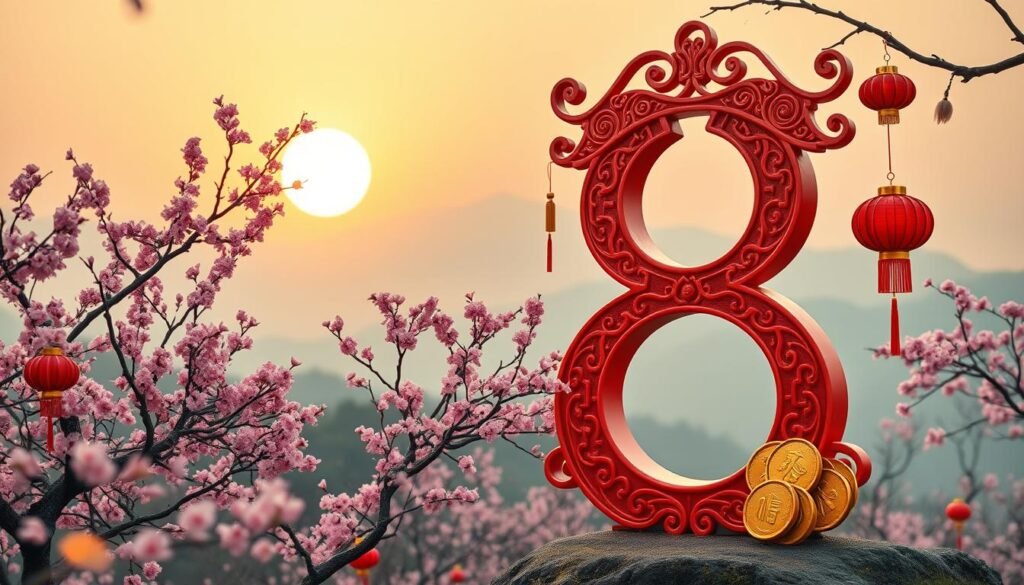
Beyond its sound, the number 8 also has a visual charm. When written as 88, it resembles the double happiness character shuāng xǐ, which is frequently seen in wedding decorations. This character consists of two stylized characters for happiness, emphasizing joy and celebration.
Additionally, if you turn an 8 on its side, it becomes the infinity symbol, representing endless good fortune and success. This symbolism resonates with people, leading them to choose dates with 8 for significant events like opening businesses or weddings.
Ultimately, the title of the luckiest number isn’t given lightly. The number 8 earns its reputation through a blend of sound, shape, and centuries of cultural reinforcement, making it feel almost magical.
| Symbol | Meaning |
|---|---|
| 8 (八) | Prosperity and wealth |
| 88 | Double happiness |
| ∞ | Endless fortune |
The Role of Lucky Numbers in Chinese Culture
In Chinese culture, numbers carry meanings that go far beyond their numerical value. This belief system is deeply embedded in daily life, shaping decisions and interactions. For many, numbers symbolize more than just quantities; they represent luck, prosperity, and fortune.
If you grew up in the West, you might think of numbers as just tools for math class or splitting a dinner bill. However, in Chinese culture, they carry a weight that’s closer to colors or symbols. The idea that numbers can influence your luck isn’t some fringe belief; it’s woven into the way people plan weddings, buy houses, and even name their kids.
Chinese people often approach big life decisions with numbers in mind, similar to how others might consult a weather forecast before a picnic. This practical approach stems from a language where words that sound the same can mean wildly different things. A number that sounds like death will naturally make you pause.
Lucky numbers show up in the smallest corners of daily life. From the amount of money tucked into a red envelope to the floor chosen for an apartment, these numbers matter. What’s interesting is how this isn’t treated as something mysterious or occult; it’s more like a cultural habit that everyone grows up with and respects.
The beliefs around numbers shape everything from real estate prices to the way products are marketed. When millions of people share a framework, the economy listens.
| Aspect | Significance |
|---|---|
| Wedding Dates | Choosing auspicious numbers for a harmonious marriage |
| House Numbers | Opting for numbers that bring good fortune |
| Phone Numbers | Seeking memorable numbers that attract luck |
“Numbers are not just digits; they are part of a cultural narrative that shapes lives.”
Other Lucky Numbers Worth Knowing: 2, 6, and 9
While the number 8 shines brightly in Chinese culture, other numbers also bring their own unique blessings. Each of these numbers has a special significance that enriches daily life and traditions.
Number 2: Why Pairs Bring Good Fortune
The number 2 is often celebrated for its association with pairs. The belief that good things come in pairs is deeply rooted in Chinese culture. This is why you will see double symbols at weddings and celebrations.
There’s a saying in Chinese, hǎoshì chéngshuāng, which means good things should show up in twos. This idea shapes everything from gift-giving to home decor, emphasizing harmony and togetherness.
Number 6: Smooth Sailing and Success
Next, we have the number 6, which is considered lucky because its pronunciation, liù, sounds like the word for smooth or slick. This makes it a favored number for those hoping for things to go off without a hitch.
Business owners often embrace the number 6. Who wouldn’t want their venture to flow along without obstacles? The sequence 666 is frequently used as a blessing for smooth sailing, adding to its positive reputation.
Number 9: Longevity and Royalty
Finally, the number 9 carries a regal air. Historically, it was associated with the Emperor of China. This number appears in many significant places, including the Forbidden City, which boasts 9,999 rooms.
The sound of 9, jiǔ, connects to the idea of something lasting a long time. This makes it perfect for weddings, where couples wish for an eternity of happiness together.
These numbers aren’t competing with 8; instead, they each handle different aspects of good fortune. Whether it’s harmony, smooth progress, or lasting love, each number contributes to the rich tapestry of Chinese culture.
Why 4 and Some Others Are Considered Unlucky
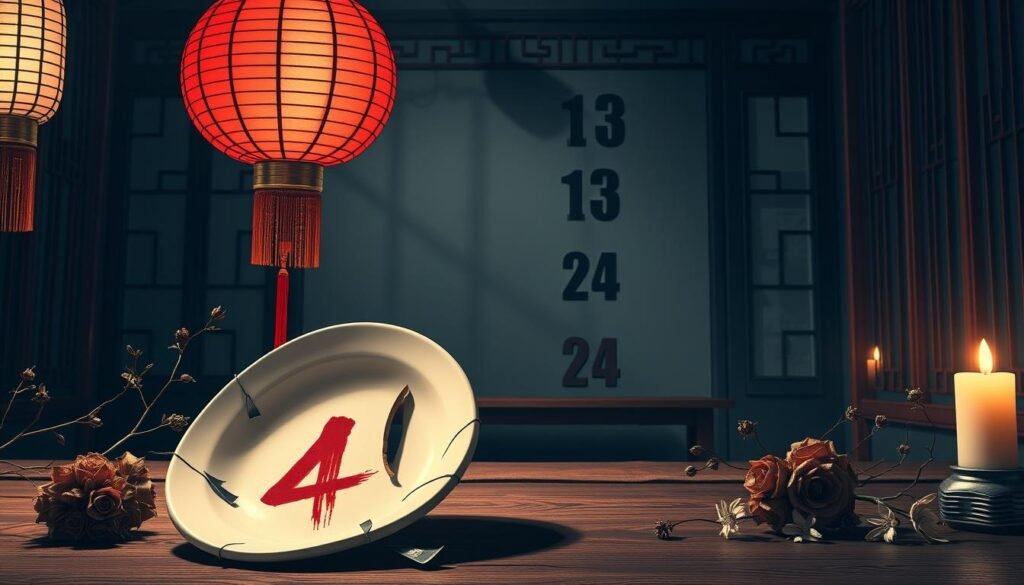
In the realm of Chinese culture, not all numbers are viewed positively; some carry a weight of misfortune. The number 4 (四, sì) stands out as a prime example. Its pronunciation closely resembles the word for death (死, sǐ), leading many to view it as an unlucky number.
This belief runs deep. It’s strong enough that hospitals, hotels, and apartment buildings often skip the fourth floor entirely, similar to how some Western buildings avoid the 13th floor. This isn’t just a quirky preference; it reflects a significant cultural fear.
The discomfort surrounding the number 4 extends to others as well. For instance, the number 13 is often considered unlucky because the sum of 1 and 3 equals 4, reinforcing its negative reputation.
Moreover, the number 3 has a complicated standing. While it can symbolize life and birth, it also sounds like the word for “to split” or “to separate.” This duality can lead to unease in certain contexts.
When it comes to gifting, the number 4 is particularly problematic. Giving money in amounts that include a 4 is seen as thoughtless, almost like wishing the recipient ill. This belief is so ingrained that even Beijing has ceased issuing license plates with the number 4.
Understanding the aversion to the number 4 helps illustrate how the entire number system in Chinese culture operates like a language. Each digit carries emotional weight, influencing decisions and interactions in everyday life.
- If 8 is the star of the show, number 4 is the one everyone tries to avoid, and it all comes down to how similar sì sounds to sǐ, the word for death.
- This isn’t just a mild preference; it’s strong enough that hospitals, hotels, and apartment buildings will skip the fourth floor entirely, the way some Western buildings dodge the 13th.
- The discomfort around 4 ripples outward in interesting ways, like how the number 13 gets caught in the crossfire because one plus three equals four, making it doubly unlucky in some circles.
- Number 3 has a complicated reputation too, because while it can mean life and birth in some contexts, it also sounds like the word for splitting apart or breaking up.
- You really notice this when it comes to gifts, because giving money in amounts with a 4 in them is seen as incredibly thoughtless, like you’re wishing the recipient ill.
- The fear of 4 is so baked into daily life that Beijing even moved to stop issuing license plates with the number, which tells you how seriously this is taken.
- Understanding why 4 gets this reaction helps you see that the whole number system in Chinese culture is a kind of language in itself, where every digit carries emotional weight.
How Number Sounds Shape Their Meaning in Chinese
Numbers in Chinese culture are more than just symbols; they carry rich meanings shaped by their sounds. This connection is rooted in the concept of homophones, which refers to words that sound alike but have different meanings. In Mandarin and Cantonese, many words share similar pronunciations, allowing numbers to represent broader ideas.
Homophones and Cultural Associations
The importance of numbers in Chinese culture largely comes from their phonetic qualities. For instance, the number 0 sounds like the word for good, 良 (liáng), making it a positive symbol. Similarly, the number 5 sounds like the word for “me” (吾, wú), giving it a personal touch in various contexts.
However, the number 7 has a more complex reputation. In Mandarin, it can represent togetherness or rising up, while in Cantonese, it can sound like a vulgar term. This duality highlights how numbers can carry different meanings based on pronunciation.
Examples from Everyday Language and Phrases
Understanding these connections can make everyday phrases feel like a secret code. Here are some examples:
- The number 0, sounding like good, is often seen as a fresh start.
- Number 5, resonating with “me,” emphasizes personal identity.
- Number 7’s mixed reputation shows how context can alter meaning.
As you delve deeper into Chinese culture, you’ll find that numbers aren’t just digits; they represent ideas, wishes, and beliefs that shape everyday life.
Popular Number Combinations and Their Meanings
Numbers come alive in Chinese culture, especially when they form combinations. These combinations often carry deeper meanings, turning digits into phrases that resonate with luck, love, and prosperity. Let’s explore some of the most popular combinations and the stories behind them.
168: Fortune All the Way
The combination 168 sounds like yī liù bā, which closely resembles the phrase yī lù fā, meaning “fortune all the way.” This catchy phrase makes 168 a favorite among business owners. It symbolizes a prosperous journey, making it popular for new ventures and openings.
520 and 1314: Love and Forever
Another intriguing combination is 520. Pronounced wǔ èr líng, it sounds like wǒ ài nǐ, which translates to “I love you.” This has led to May 20th being celebrated as an unofficial Valentine’s Day in China.
Then there’s 1314, pronounced yī sān yī sì, which echoes the phrase yīshēng yīshì, meaning “one life, one lifetime.” This romantic phrase is perfect for weddings and expresses a promise of eternal love.
666 and 888: Smooth Success and Triple Prosperity
Moving on to 666, this combination signifies smooth, flowing success. In Mandarin, it sounds like liù liù liù, emphasizing a smooth journey in life and business. You’ll often see this number in shop windows as a blessing for customers.
Lastly, 888 stands for triple prosperity. Pronounced bā bā bā, it signifies wealth multiplied by three. This number is highly sought after, especially for license plates and phone numbers, as it symbolizes an abundance of fortune.
These combinations illustrate how numbers can be playful and meaningful. They turn digits into heartfelt expressions of love, wishes for success, and hopes for a prosperous future. Understanding these combinations allows you to appreciate the creative ways people communicate in Chinese culture.
Where Lucky and Unlucky Numbers Matter Most in China
The influence of numbers in China can be observed in daily activities and major life events. This fascination shapes everything from phone numbers to wedding dates. People often go to great lengths to ensure that their choices align with what they consider auspicious.
Phone Numbers and License Plates
One of the most visible examples of this obsession lies in phone numbers and license plates. The number +86 28 8888 8888 was sold to Sichuan Airlines for a staggering CN¥2.33 million (about US$280,000). This price tag highlights how serious people are about securing numbers that resonate with good fortune.
License plates also fetch high prices. In 2016, the plate reading ’28’ sold for over US$2 million at a Hong Kong auction, as it sounds like “easy money” in Cantonese. Such investments reflect the deep-rooted belief in the power of numbers.
Weddings, Gifts, and Big Life Events
Weddings are another area where number symbolism shines. Couples often select dates filled with lucky digits. They also give red envelopes containing amounts like 888 or 999 to bless the newlyweds with prosperity and longevity.
When it comes to gifts, people avoid giving money in amounts that include the number 4. Instead, they prefer to give gifts in pairs, which symbolize harmony and good fortune.
Building Floors and Addresses
Even in architecture, the influence of numbers is evident. Many buildings skip floors numbered 4 and 13, opting instead to jump from 3 to 5 or from 12 to 15. This practice reflects a cultural aversion to unlucky numbers.
Home addresses with eights often command higher prices, while properties associated with fours may linger on the market longer. This trend shows how deeply these beliefs affect real estate values.
Setting a wedding date becomes a careful negotiation, as couples and families seek dates that resonate with blessings rather than bad omens.
- People pay top dollar for phone numbers, like the one Sichuan Airlines bought for nearly three hundred thousand dollars.
- License plates can sell for millions, with the plate ’28’ fetching over two million dollars due to its auspicious sound.
- Weddings involve selecting dates rich in lucky digits and giving red envelopes with amounts like 888.
- Money gifts avoid the number 4, and gifts are often given in pairs for good fortune.
- Buildings skip floors with 4 and 13, showing how seriously these beliefs are taken.
- Home addresses with eights are more valuable, while those with fours may sell for less.
- Choosing a wedding date becomes a careful search for a day that brings blessings.
How Numbers Influence Big Events and Traditions
The impact of numbers extends far beyond daily life, influencing major cultural events. In China, the significance of numbers can be seen during grand celebrations like the Olympics and the Chinese New Year.
The Beijing Olympics and the Power of 8
The Beijing Olympics in 2008 is probably the most famous example of number symbolism on a global stage. The opening ceremony started at exactly eight minutes and eight seconds past eight on the eighth of August. This was not a coincidence; it was a deliberate choice that showcased how deeply the number 8 is woven into the cultural fabric of China.
The entire country shares a time zone of UTC+08:00, which feels like another cosmic wink toward the luckiest number. This moment during the Olympics highlighted the pride of Chinese culture on an international platform.
Chinese New Year and Auspicious Dates
Chinese New Year celebrations are also steeped in number choices. From the amounts of money in red envelopes to the dates chosen for traveling and family gatherings, numbers play a vital role. During this festive period, you might hear phrases like bāmiàn láicái, meaning wealth coming from eight directions. This reinforces the idea that 8 brings prosperity from all sides.
Moreover, big events such as product launches and store openings are often scheduled with lucky numbers in mind. This practice shows that the significance of numbers isn’t just a personal belief; it’s embraced at the highest levels of society.
Using Lucky Numbers in Daily Life — From Gifts to Addresses
In everyday life, the significance of numbers can be felt in various customs and practices. Many people integrate lucky numbers into their daily routines, making choices that reflect their cultural beliefs.
One of the most visible examples is how Chinese people select dates and phone numbers. For significant events like weddings, they often choose dates that include the number 8. This number is considered lucky and is believed to bring good fortune.
Choosing Dates, Phone Numbers, and More
When it comes to phone numbers, many individuals search for sequences that contain the number 8. A phone number with 888 is seen as a sign of prosperity, making it highly desirable. Even something as mundane as a restaurant menu reflects this, with prices ending in 8 instead of 9. This small change creates a psychological nudge toward feeling lucky about your purchase.
Additionally, when picking dates for moving into a new home or starting a business, many will consult the calendar for days that feature lucky numbers. These choices aren’t rigid; they serve as rituals that help people feel they are setting things up for the best possible outcome.
Red Envelopes and Monetary Gifts
Another essential aspect of Chinese culture is the tradition of giving red envelopes, or hongbao. These envelopes often contain money in amounts with lucky numbers like 88, 168, or 888. If you’re ever invited to a Chinese wedding or celebration, knowing what to put in the red envelope can save you from an awkward moment. Stick to amounts with 8 or 9 and avoid 4 at all costs.
Giving 888 in a red envelope is like saying, “may you be triple prosperous,” while 999 wishes the recipient longevity and lasting happiness. These small gestures carry significant meaning and reflect the cultural importance of numbers.
| Context | Lucky Number Examples |
|---|---|
| Weddings | Dates with 8 or 9 |
| Phone Numbers | Sequences with 8 |
| Red Envelopes | Amounts like 88, 168, 888 |
In summary, the customs surrounding numbers are not merely superstitions; they enrich the fabric of daily life. By embracing these practices, people find ways to connect with their culture and seek out good fortune.
Why is 8 a Lucky Number in China? Exploring Its Cultural Impact
The allure of the number 8 captivates many within the rich tapestry of Chinese culture. This fascination stems from its unique sound and the profound meanings it embodies. The pronunciation of ‘eight’ (八, bā) closely resembles that of fā, which translates to “prosper” or “wealth” (发财, fācái). This phonetic connection is more than just a coincidence; it is a cultural cornerstone that influences many aspects of life.
After everything we’ve covered, the answer to why 8 holds such significance returns to that simple sound connection. However, the cultural impact extends far beyond a mere pun. The number has evolved into a brand in itself. Companies like 88rising have built their entire identity around the double happiness and prosperity that 8 represents.
Car manufacturers, such as Buick, have even tailored models specifically for the Chinese market, naming them with 8, like the GL8 minivan. This shows a keen understanding of how the number sells and resonates with consumers.
Chinese people carry this love of 8 around the globe. You’ll notice businesses in places like Silicon Valley and Cupertino incorporating eights into their names and phone numbers. The cultural impact is evident in daily decisions, from what to pay for lunch to monumental moments like buying a home or getting married.
What makes this even more fascinating is that the significance of 8 isn’t fading with modernization. In fact, the digital age has breathed new life into number symbolism through online dating codes and social media. Understanding the role of 8 provides insight into how Chinese culture beautifully blends language, tradition, and daily practicality into something that feels both ancient and completely current.
| Aspect | Significance |
|---|---|
| Phonetic Connection | Sounds like “prosper” and “wealth” |
| Brand Identity | Companies like 88rising use 8 for branding |
| Automotive Marketing | Models like Buick GL8 target the Chinese market |
| Global Influence | Presence in names and numbers in international businesses |
| Modern Relevance | Symbolism continues in digital spaces |
“The number 8 is a bridge between tradition and modernity, illustrating how cultural beliefs evolve over time.”
The Fascinating Impact of Number 8 on Culture and Beyond
The cultural impact of the number 8 reaches far beyond its numerical representation. Its significance can be seen globally, influencing architecture and travel. For instance, the Petronas Twin Towers in Malaysia proudly feature 88 floors, symbolizing the power of this digit.
Airlines like Singapore Airlines reserve flight numbers beginning with 8 for routes to Chinese-speaking regions, showing how even numbers can enhance passenger experience. Boeing celebrated its 8,888th 737 delivery to Xiamen Airlines with a special livery, highlighting the number’s cultural importance.
Even the US Treasury joined in, selling dollar bills with serial numbers containing four eights, appealing to those seeking good fortune. The spread of Chinese communities worldwide has allowed these beliefs to influence real estate and business practices.
What’s remarkable is that this tradition continues to evolve, finding new expressions in modern branding and internet culture. Ultimately, the story of 8 reminds us that numbers carry deep meanings, intertwining with language and history, inviting us to explore their significance in our lives.