
Most of us didn’t grow up thinking 18 was anything special. Maybe your lucky number was tied to a birthday or a favorite athlete’s jersey. For Rabbi Rachael, it was #13, inspired by soccer star Christine Lilly. It’s a reminder that lucky numbers often start out personal and a bit random.
So, what’s the deal with 18? It’s not just a random choice. There’s a whole system connecting language, numbers, and faith that makes this number special. For Jewish people worldwide, 18 symbolizes something deeper. It’s packed with meaning, tradition, and a profound appreciation for life.
We’ll explore the Hebrew alphabet, the word “chai,” and how 18 appears in weddings, bar mitzvahs, and everyday moments. This isn’t just a dry history lesson; it’s about celebrating life. By the end, you’ll see why gifts often come in multiples of 18 and why “L’chaim!” is more than just a toast. So, grab a coffee, get comfortable, and let’s dive into one of the coolest traditions in Jewish culture!
Key Takeaways
- Lucky numbers often stem from personal experiences.
- The significance of 18 goes beyond superstition.
- This number symbolizes life and tradition in Jewish culture.
- Understanding “chai” reveals deeper meanings.
- Celebrations often incorporate multiples of 18.
Unpacking the Significance of 18 in Jewish Tradition
In Jewish culture, numbers and letters dance together in a unique way. This connection is explored through a system called Gematria. Here, every letter of the Hebrew alphabet also serves as a number. For example, Aleph equals 1, Bet equals 2, and so on. Yud stands for 10. So, when you look at Hebrew words, you’re seeing both letters and numbers at play.
The Hebrew Alphabet and Numbers
Let’s break it down simply. The Hebrew word “chai,” which means “alive” or “life,” is made up of two letters: Chet and Yud. Chet has a numerical value of 8, while Yud equals 10. When you add these together, you get 18. This connection isn’t just a coincidence; it’s a beautiful part of the language.
How 18 Became the Symbol for Life
This number became a symbol for life not because someone randomly chose it. The very word for life adds up to that number, creating a poetic link. For generations, Jewish people have viewed 18 as shorthand for wishing someone a long, healthy life. It’s a number filled with warmth and hope.
The Meaning Behind “Chai”
The meaning of “chai” goes beyond mere existence. It’s about thriving, being present, and embracing the gift of life. That’s why you often hear “L’chaim!” at celebrations, which means “to life!” This phrase encapsulates the spirit of joy and appreciation for life’s moments.
The significance of 18 has deep roots in Jewish history and tradition. This connection between numbers and words has shaped prayers, rituals, and everyday expressions for centuries. Understanding how Chet and Yud come together helps clarify the traditions surrounding 18.
Why Is 18 a Lucky Number in Judaism? Exploring Its Roots and Meaning
For countless individuals within the Jewish community, 18 is more than just a number. This special figure stems from the Hebrew word “chai,” which means “life.” The connection between letters and numbers plays a significant role in Jewish tradition. Let’s dive into how this relationship shapes beliefs and practices.
The Combination of Yud and Chet
The Hebrew word “chai” consists of two letters: Chet and Yud. Each letter carries its own numerical value. Chet is valued at 8, while Yud is valued at 10. When you add these values together, they equal 18. This unique combination makes the number resonate with positive energy.
Numerical Value Meets Word Meaning
This relationship between numerical value and word meaning creates something profound. It’s not merely math or language; it’s a fusion that gives the number 18 its charm. When people say “L’chaim,” meaning “to life,” they’re invoking this connection. It’s a way to wish others health and happiness.
How This Shapes Jewish Beliefs About Life and Blessings
Understanding the Yud and Chet combination helps clarify why this number is significant. People often give gifts in multiples of 18, expressing their wishes for a long and prosperous life. At celebrations, such as weddings and bar mitzvahs, this number appears frequently, reinforcing its role as a symbol of good fortune.
This isn’t just an abstract concept. It’s woven into the fabric of everyday life. Each time someone raises a glass and cheers “L’chaim,” they’re embracing the essence of life and connection. The number 18 serves as a spiritual shorthand, reminding everyone that life is precious.
“Life is not measured by the number of breaths we take, but by the moments that take our breath away.”
People often wonder why 18 specifically. The answer lies in the elegant link between letters and numbers. This simplicity makes it memorable and impactful. Ultimately, 18 isn’t just a lucky number; it symbolizes the ultimate gift: being alive.
| Letter | Numerical Value |
|---|---|
| Chet | 8 |
| Yud | 10 |
| Total for Chai | 18 |
Traditions and Rituals: Celebrating Life Through the Number 18
In Jewish life, the number 18 holds a special place, woven into the fabric of many cherished traditions. This significance is evident in how people give gifts and donations, wear chai jewelry, and share blessings that celebrate life.
Giving Gifts and Donations in Multiples of 18
The tradition of giving gifts in multiples of 18 is both practical and symbolic. Instead of simply writing a check for $100, someone might choose to give $108 or $180 at a wedding or bar mitzvah. This practice isn’t about flaunting wealth; it’s about wrapping a blessing into a gift.
Each multiple of 18 carries the wish for a long and happy life. So, the money transforms into more than just currency; it becomes a heartfelt prayer. At lifecycle events like bat mitzvahs, guests might give $36, $54, or $72. Regardless of the amount, the message remains clear: “I’m celebrating your life and wishing you many more years of it.”
Donations to charity also often reflect this custom. Jewish tradition emphasizes tzedakah, and giving $18 or $180 to a cause feels like doubling down on doing good. You’re helping others while honoring the symbol of life.
Chai Jewelry and Its Popularity
The chai symbol, חי, appears in various forms of jewelry, such as necklaces, bracelets, and rings. This isn’t merely a fashion choice; wearing it serves as a daily reminder of life’s value and a connection to Jewish identity.
People of all ages proudly wear chai jewelry. You might see it on teenagers at summer camp, parents at synagogue, and grandparents who have cherished the same pendant for decades. This tradition beautifully bridges generations.
Common Blessings and Cheers Involving 18
One of the most recognized phrases associated with 18 is “L’chaim!” This toast, meaning “to life,” is often exclaimed at weddings, Shabbat dinners, and New Year’s celebrations. It encapsulates the spirit of joy and appreciation for life’s moments.
During these celebrations, the energy surrounding the number 18 is infectious. People raise their glasses, wishing each other life, health, and happiness. This transforms a simple number into a shared moment of joy, strengthening community bonds.
| Tradition | Significance |
|---|---|
| Gift Giving | Multiples of 18 symbolize blessings for a long life. |
| Chai Jewelry | Represents a connection to Jewish identity and life’s value. |
| Common Blessings | “L’chaim!” celebrates life and community. |
The Role of 18 in Jewish Everyday Life and Community
Every day, the number 18 plays a vital role in Jewish life, connecting people through shared traditions and meaningful milestones. From bar and bat mitzvahs to weddings, this number resonates deeply within the community. It’s not just a number; it’s a symbol of growth, responsibility, and joy.
Milestones: Bar and Bat Mitzvahs, Weddings, and More
Milestones mark important transitions in life. A bar or bat mitzvah signifies coming of age, and 18 often weaves through the celebration. Gifts frequently come in multiples of 18, reinforcing the transition into a fuller, more responsible life within the community.
Weddings also embrace this special number. Under the chuppah, two people begin a new life together. The number 18 appears in gifts, toasts, and the quiet hopes everyone carries for the couple. It’s a number that says, “Build a life worth living.”
How the Number Connects Generations and Groups
18 serves as a bridge between generations. Grandparents share stories about chai with their grandchildren. Parents pass down chai necklaces, creating a tangible connection to family history. This number becomes a thread that ties family stories together across years and even continents.
In community life, 18 pops up like an inside joke among family. A donation of $36 to the synagogue fund or a $54 wedding gift carries a shared understanding that doesn’t need explaining. These numbers reflect a collective memory and shared values.
18 as a Reminder of Life’s Value and Purpose
In the rush of daily life, it’s easy to forget what truly matters. The sight of a chai pendant or the sound of “L’chaim” can snap you back to the essence of living. It’s a gentle nudge to appreciate being alive and the moments that matter.
Rabbi Rachael spoke about wanting to breathe fresh air and feel more alive during the year of chai. This spirit embodies the idea that the number 18 isn’t just for big celebrations. It’s for Tuesday mornings, quiet walks, and choosing to feel present.
Ultimately, 18 has carved out a special place in the rhythm of Jewish life. It’s part of the week, part of the year, and part of the stories families tell. This number reminds everyone they’re connected to something bigger than themselves.
Looking Ahead: Why the Number 18 Still Holds Meaning Today
In every culture, there are symbols that transcend time, and one such symbol is 18. In our fast-moving world, holding onto tradition can feel challenging. Yet, this number has endured because it is adaptable and meaningful.
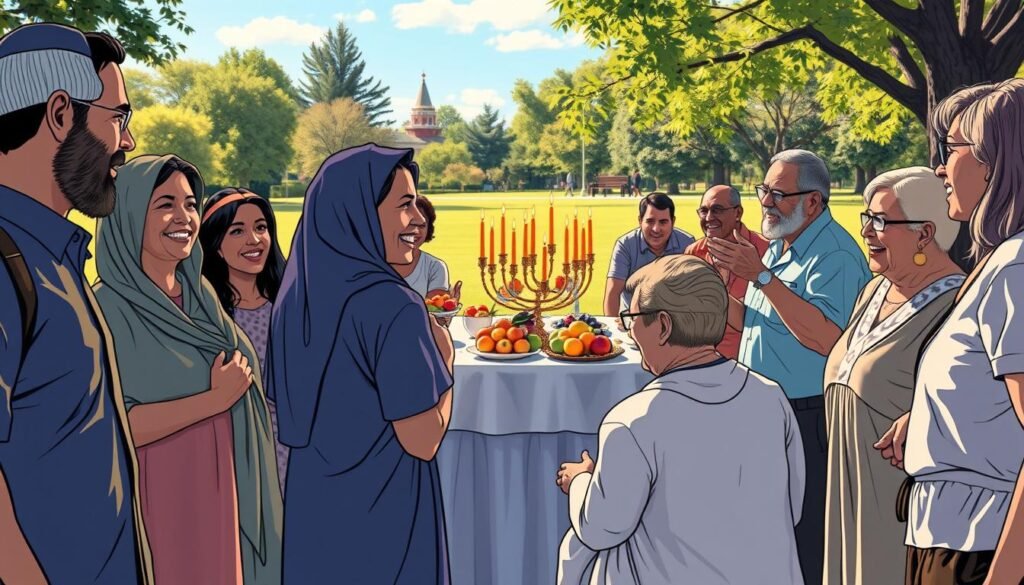
Today, people still give gifts in multiples of 18 and wear chai necklaces. The tradition remains vibrant, showing up at celebrations and gatherings. This number bridges the past and present, making it just as relevant at a 2024 wedding as it was generations ago.
The question of its significance leads to a deeper inquiry: what does it mean to truly live? Rabbi Rachael’s reflections on the year of chai remind us to embrace life fully. The number 18 quietly encourages us to appreciate our existence.
Next time you see 18, consider it a gentle reminder that life is worth celebrating every single day.