
Have you ever noticed how some numbers just feel luckier than others? It’s a curious thought, right? Well, if you’re wondering about one specific number, let’s dive into why it holds such a special place in many hearts. The short answer? Yes, that number is often considered incredibly lucky, especially in Chinese culture.
This belief isn’t just a small superstition; it influences real decisions about business, travel, and even major world events. For instance, did you know the 2008 Beijing Olympics were scheduled to start at 8:08 PM on 8/8/08? That’s no coincidence!
People in China are willing to pay significant sums for phone numbers or license plates with multiple 8s. In fact, one phone number with eight 8s sold for over $280,000 back in 2003. By the end of this guide, you’ll understand why this number gets so much attention and how other numbers fit into this fascinating world of Chinese superstitions.
We’ll explore real examples, popular number combinations, and how zodiac signs and feng shui play a role in these beliefs. Get ready for a fun journey into the realm of luck!
Key Takeaways
- Number 8 is considered extremely lucky in Chinese culture.
- Its pronunciation resembles the word for wealth and prosperity.
- Major events, like the Olympics, are often scheduled around this number.
- People invest heavily in numbers featuring multiple 8s.
- Other numbers also carry cultural significance in luck and prosperity.
Why Do People Wonder If Number 8 Is Lucky?
It’s interesting how some figures capture our imagination more than others. Humans have always searched for patterns and meanings in numbers. From the lucky 7 in Western culture to the prominence of 8 in Chinese traditions, numbers have a way of sticking with us.
In Chinese culture, this fascination with numbers started due to homophones. Certain pronunciations sound like words with good or bad meanings. For example, the word for 8 in Chinese is ‘bā,’ which sounds like ‘fā’ (发), meaning to prosper or become wealthy. This connection has been made for centuries.
This isn’t just a Chinese thing, though. Other Asian countries with historical ties to Chinese characters share similar beliefs about numbers. These superstitions are alive and well today, influencing how people choose phone numbers, addresses, and even wedding dates.
The origins of number superstitions
People have long associated numbers with luck and fortune. In many cultures, numbers carry specific meanings. For instance, 3 often symbolizes harmony, while 5 can represent balance. In Chinese culture, the emphasis on 8 comes from both its sound and shape. The visual resemblance of 8 to the infinity symbol adds to its allure.
Why number 8 gets so much attention
Number 8 has become a status symbol in modern China. Having multiple 8s in a phone number or license plate signals wealth and good taste. Businesses are willing to pay a premium for phone numbers featuring 8s, believing it will attract more customers and good fortune.
This trend has spread beyond China. International brands and airlines use 8 in flight numbers and product names aimed at Chinese markets. Once you start noticing how much attention 8 gets, you’ll see it everywhere—from skyscraper floor numbers to the timing of major global events.
| Aspect | Details |
|---|---|
| Pronunciation | ‘Bā’ sounds like ‘fā’ |
| Visual Symbol | Resembles infinity |
| Significance | Wealth and prosperity |
| Global Influence | Used in brands and flights |
The Number 8: What Makes It Stand Out?
Ever wonder why specific numbers resonate with so many people? In Chinese culture, the significance of 8 (八, bā) goes beyond mere superstition. Its pronunciation closely resembles 发 (fā), which means “to become rich.” This phonetic connection has created a strong association between this digit and wealth.
During Chinese New Year, people often greet each other with the phrase facai, which means “to get rich.” This adds an extra layer of excitement to the number, making it feel festive and promising.
There’s also a visual connection that enhances its appeal. The number 88 resembles the double happiness character (囍, shuāng xǐ), commonly used in weddings. This duality symbolizes both joy and prosperity.
Real-world examples where 8 plays a starring role
Let’s look at some fascinating examples where this number shines:
- The 2008 Beijing Olympics kicked off at exactly 8:08 PM on 8/8/08, showcasing the number’s cultural importance.
- Sichuan Airlines made headlines when they purchased the phone number +86 28 8888 8888 for about $280,000, hoping to attract good fortune.
- Air Canada uses flight number AC88 for its Shanghai-Toronto route, reflecting the significance of this digit in travel.
- The iconic Petronas Twin Towers in Malaysia each have 88 floors, deliberately honoring Chinese lucky number beliefs.
- Boeing celebrated its 8,888th 737 delivery to Xiamen Airlines, featuring a special livery to mark the occasion.
In Chinese culture, this digit represents not just wealth but also overall good fortune. It symbolizes smooth sailing and things falling perfectly into place. Once you see how deeply this number influences real business and cultural decisions, it’s clear this isn’t just a cute superstition but a powerful cultural force.
Other Lucky and Unlucky Numbers You Should Know
While the number 8 often steals the spotlight, other digits also bring their own charm in Chinese culture. Each number carries unique meanings and influences various aspects of life.
Let’s start with some lucky numbers. First up is 2. This digit symbolizes harmony and pairs. There’s a saying that good things come in twos, which is why you’ll see double characters on wedding decorations and gifts given in pairs.
Next, we have 6. This number sounds like the word for ‘flow’ in Chinese, making it the perfect choice when you want things to go smoothly. Whether it’s a business deal or a long road trip, having a 6 in your plans feels reassuring.
Then there’s 9, pronounced like the word for ‘everlasting.’ This number is often favored for weddings and romantic gestures. Historically, it was associated with emperors, making it quite special. For instance, the Forbidden City was designed with 9,999 rooms, just shy of the heavenly 10,000, showcasing how 9 represents the highest achievement possible in this life.
Now, let’s shift gears to some numbers people tend to avoid. The most notorious is 4, which everyone tries to steer clear of because its pronunciation sounds like ‘death’ (sǐ). This fear is so real that many buildings in China skip the fourth floor entirely. Some elevators won’t even have a button for it!
Another number considered unlucky is 13. This digit gets a double dose of bad luck, as it’s viewed negatively in both Western and Chinese cultures. Interestingly, 1 plus 3 equals 4, which circles back to the fear of death.
However, context matters! In some Chinese dialects, like Teochew, 4 can actually sound like ‘happiness’ or ‘silk,’ making it lucky in those communities. This twist shows how perceptions of numbers can vary widely.
Understanding these lucky and unlucky numbers can help you grasp why certain digits evoke strong reactions in Chinese culture. Whether it’s a license plate or a gift amount, these numbers carry weight!
| Number | Meaning | Lucky/Unlucky |
|---|---|---|
| 2 | Harmony and pairs | Lucky |
| 6 | Flow and smooth progress | Lucky |
| 9 | Everlasting and longevity | Lucky |
| 4 | Death | Unlucky |
| 13 | Bad luck (1+3=4) | Unlucky |
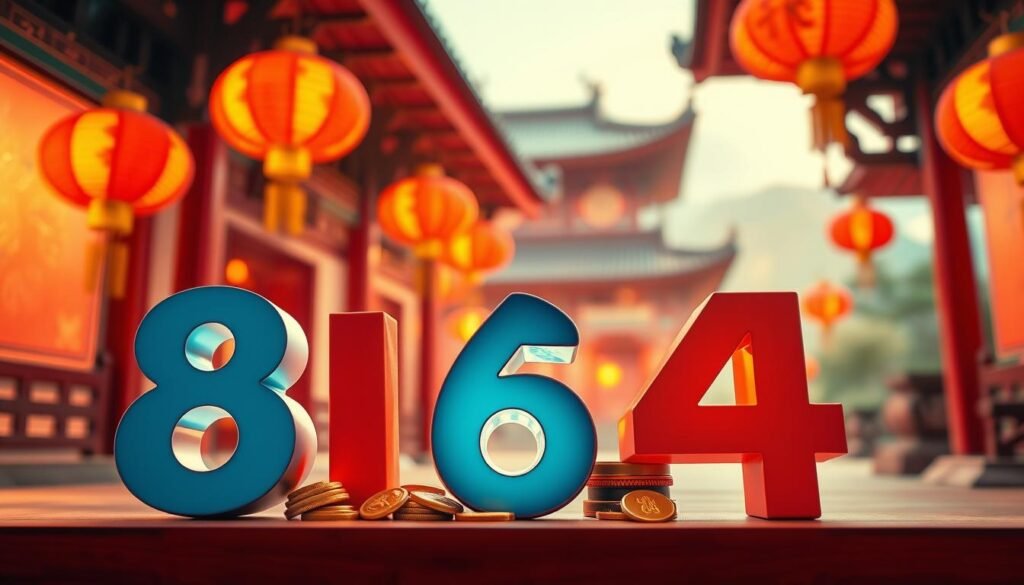
How Lucky Numbers Shape Everyday Life in China
In daily life, numbers play a significant role in shaping choices and traditions. For many Chinese people, the meanings behind numbers influence everything from car purchases to home addresses.
Car license plates, phone numbers, and home addresses
Imagine someone in China shopping for a car. They care just as much about the numbers on the license plate as they do about the vehicle’s color. In fact, a Hong Kong license plate with just ’28’ sold for over $2 million because it sounds like ‘easy money’ in Cantonese.
Phone numbers also serve as a status symbol. People often pay a premium for digits packed with 8s, believing it brings prosperity every time the phone rings. Homebuyers pay close attention to the numerical makeup of addresses, as those with lucky numbers can boost property value. In contrast, an address containing a 4 might sit on the market longer.
Interestingly, Beijing had to step in and stop the sale of license plates containing the number 4 because avoidance became extreme.
Weddings, gifts, and big celebrations
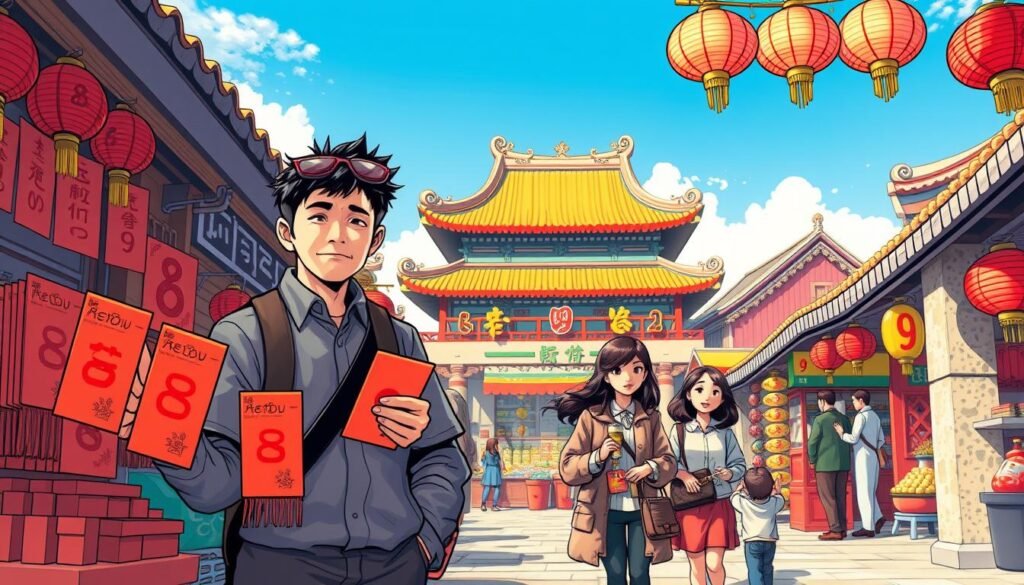
When it comes to celebrations, lucky numbers play a crucial role. Weddings are often planned around auspicious dates, with couples racing to book venues on days featuring 8s and 9s. The tradition of giving red envelopes (hongbao) stuffed with money is also significant. Amounts like 888 RMB for prosperity or 666 for a smooth life are common, while 444 is avoided at all costs.
Businesses also consider lucky numbers when scheduling grand openings, believing it sets the tone for success. Even the number of gifts matters, with presents often given in sets of 8 or pairs to double the good wishes.
For many Chinese people, these number choices aren’t just fun traditions but genuine efforts to invite good fortune into every corner of life.
Popular Number Combinations and Their Meanings
In China, numbers have evolved into a playful shorthand, especially among younger generations. These combinations aren’t just random; they hold deep meanings and can even express emotions. Let’s decode some of the most popular ones!
Romantic Codes and Prosperity
First up, we have 520. This combination sounds a lot like wǔ èr líng, which translates to ‘I love you’ (我爱你). May 20th has turned into a second Valentine’s Day in China, thanks to this sweet number.
Next, 1314 (yī sān yī sì) sounds like ‘one life, one lifetime’ (一生一世). Couples love using this combo to promise forever to each other. It’s a go-to choice for romantic gestures!
Then there’s 888, which is like a triple threat of prosperity. Saying it out loud feels like shouting ‘wealth, wealth, wealth’ into the universe, making it a favorite among those looking for financial success.
Another interesting one is 666. While it might have dark connotations in Western culture, in China, it means things will flow smoothly. Businesses often display this number, hoping for a seamless operation.
Don’t forget about 168 (yī liù bā), which sounds like ‘fortune all the way’ (一路发). This number even inspired the name of a popular motel chain in China called Motel 168!
These combinations can even get mashed together. For instance, 5201314 combines both love and lifetime, creating a romantic declaration that’s hard to resist.
At weddings, red envelope amounts often feature these codes. Guests might give 888 or 666 RMB instead of plain round numbers. It’s all about sharing good fortune!
These number codes have become so mainstream that you’ll spot them on billboards, in brand names, and all over social media. Learning these combos offers a peek into a playful, meaningful way of communicating that’s uniquely Chinese.
The Influence of Chinese Zodiac and Feng Shui on Numbers
In Chinese culture, the impact of zodiac signs and feng shui on numbers adds a personal touch to the idea of luck. While the universal appeal of certain digits like 8 is well-known, your personal lucky numbers can vary based on your zodiac sign.
For instance, someone born in the Year of the Dragon might find different digits favorable compared to someone born in the Year of the Rabbit. This difference stems from elemental compatibility and the unique characteristics of each sign.
Lucky numbers aren’t just about single digits. Any combination that includes these favored numbers is considered auspicious. A Rabbit person, for example, may feel a connection to 3, 4, and 9, especially when these numbers appear in their life.
Now, let’s talk about feng shui. This practice isn’t solely about arranging furniture; numbers also play a crucial role in enhancing energy flow in homes and businesses. Feng shui practitioners often recommend specific house numbers or floor levels based on how digits interact with the five elements: earth, water, fire, wood, and metal.
The number 5 holds historical significance due to its connection to these five elements. It was once associated with the emperor and can be seen in structures like the five arches of the Tiananmen Gate.
Feng shui can get quite detailed. Some consultants might suggest the best numbers for everything from your front door to your bank account. Even those who aren’t deeply into feng shui often consult practitioners when buying a new home or starting a business, just to ensure the numbers are in their favor.
This personalization through zodiac signs and feng shui adds layers to number superstitions. What’s considered lucky for one person might be neutral or even unlucky for another. This explains why you can’t assume that 8 is everyone’s favorite. The full picture includes when you were born and how the elements balance in your life.
| Zodiac Sign | Lucky Numbers | Unlucky Numbers |
|---|---|---|
| Dragon | 1, 7, 6 | 4 |
| Rabbit | 3, 4, 9 | 7 |
| Tiger | 0, 1, 3 | 5 |
| Snake | 2, 8, 9 | 6 |
Why Numbers Still Matter in Today’s World
In today’s digital age, numbers still weave through the fabric of our daily lives. Despite rapid changes, these beliefs remain strong, especially in Chinese culture. Global brands, like Canon, avoid certain digits, ensuring they respect cultural significance. For example, Alfa Romeo had to rename their model 144 in Singapore due to negative associations with that digit.
Beijing’s recent legislation mandating accurate floor numbers in buildings highlights how ingrained these practices are. New meanings also emerge, such as 520 creating a new celebration of love on May 20th. Even in the West, awareness of these superstitions grows as cultural exchanges increase.
Numbers like 8 are now sought after beyond Chinese communities, reflecting a universal quest for good fortune. Understanding these meanings enriches our lives, connecting us to centuries of tradition. Whether or not one believes, there’s something uplifting about a simple number carrying hope and positive energy.