
Ever wondered about the significance of certain numbers in Chinese culture? You’re not alone! Many people find themselves curious about how these numbers play a role in daily life. The number 10, represented by the character 十 (shí), carries its own unique meaning.
While some numbers are celebrated for their luck, 10 sits in a different spot. It’s not seen as unlucky like 4, nor is it as sought after as 8. Instead, this number symbolizes wholeness and perfection. The phrase 十全十美 (shí quán shí měi) translates to “perfect in every way,” showing just how revered it can be.
Interestingly, many believe that true perfection belongs to the heavens. This belief is why places like the Forbidden City have 9,999 rooms instead of a full 10,000. So, while 10 is respected, it doesn’t quite have the same flashy reputation as other numbers.
In this article, we’ll explore what 10 really means, how it compares to other numbers, and where it shows up in celebrations and everyday life. You’ll also learn how to navigate common misunderstandings about these traditions.
Key Takeaways
- 10 isn’t considered unlucky; it represents wholeness and perfection.
- It’s not a number people usually fight over for things like phone numbers.
- The Chinese word for 10, 十 (shí), appears in phrases indicating perfection.
- True perfection is thought to belong to the heavens, influencing cultural beliefs.
- This number carries a quiet significance, respected but not flashy.
Understanding Lucky and Unlucky Numbers in Chinese Culture
Curious about how numbers are perceived in Chinese culture? It’s fascinating how the sounds of numbers can shape their meanings. In this tonal language, a number’s pronunciation can align with words that have entirely different meanings. This unique characteristic is where the luck factor comes into play.
How Number Sounds Shape Meaning
Take the number 8, for instance. It’s pronounced bā, which sounds similar to fā, meaning “to prosper.” This connection is why people often seek out 8s in phone numbers and license plates.
On the flip side, the number 4, pronounced sì, closely resembles sǐ, which means “death.” As a result, many buildings skip the 4th floor due to this superstition.
Then there’s the number 6, or liù, which sounds like the word for “smooth.” This makes it associated with a smooth journey in life, free of obstacles. Similarly, the number 9, pronounced jiǔ, shares its sound with the term for “long lasting,” making it a popular choice for weddings and anniversaries.
The Role of Superstition and Tradition
These sound-based beliefs aren’t just random; they’re deeply woven into the fabric of Chinese culture. Traditions involving numbers date back centuries, blending language, fengshui, and the Chinese zodiac.
Even the number 2 is considered lucky, thanks to the saying 好事成雙 (hǎoshì chéngshuāng), which means “good things come in pairs.” You’ll often see double characters used in decorations during celebrations.
Interestingly, the number 13 is viewed as unlucky in both Western and Chinese cultures. In Chinese belief, 1 plus 3 equals 4, which we know is associated with death.
Understanding this sound-based system is essential to grasping why 10 fits where it does in the broader conversation about lucky and unlucky numbers.
The Meaning of Number 10 in Chinese Culture
Numbers carry unique significance across different cultures, and Chinese culture is rich with these meanings. The number 10, pronounced shí in Mandarin, has connections to various positive words that enhance its cultural importance.
For instance, shí sounds similar to the word for “real” or “solid” (实), which gives this number a vibe of being genuine and dependable. It’s not flashy, but it represents something steady. Additionally, it connects to the word for “stone” (石), suggesting a firm and lasting quality. That’s a nice attribute for a number to embody.
The most famous phrase tied to 10 is 十全十美 (shí quán shí měi), which translates to “perfect in every way.” This phrase often describes something that is truly flawless. Another common saying, 十拿九稳 (shí ná jiǔ wěn), means you’re almost completely certain about something. It paints 10 as the gold standard of completeness.
In traditional thought, 10 represents the end of a cycle, the point where everything comes together. This number symbolizes wholeness. Interestingly, because 10 is seen as so perfect, it’s often thought to belong to the heavens. Humans typically aim for 9 and leave 10 for the divine.
That’s why the Forbidden City has 9,999 rooms instead of 10,000. This design choice humbly acknowledges the idea that true perfection is divine. So, while 10 doesn’t attract prosperity or fortune like 8 does, it represents an ideal state of completeness and truth.
When you see 10 used in Chinese culture, it usually signifies something being whole, real, and perfectly rounded out.
How Number 10 Compares to Other Well-Known Chinese Numbers
Ever thought about how the number 10 compares to other prominent numbers in Chinese beliefs? To really get where 10 stands, it helps to line it up next to the heavy hitters of Chinese numerology.
Number 8 is the undisputed champion of lucky numbers. It sounds like fā, which means “to prosper.” Because of this, people will pay serious money to get 8s in their phone numbers or on their cars.
Number 6 is another favorite because it sounds like the word for “smooth” (liū). Businesses love 6 because it suggests everything will flow without problems.
Then there’s number 9, which sounds like jiǔ, meaning “long lasting.” This makes it the go-to for weddings and anything about eternal love. It was also the emperor’s number.
On the other hand, number 4 is the unluckiest number around. It sounds like sǐ, which means “death.” Many buildings skip the 4th floor, and people avoid it in addresses.
So, where does number 10 fit into this? It doesn’t play the same game. It’s not chasing prosperity like 8 or promising smooth sailing like 6. Instead, 10 is about being complete and perfect. The phrase 十全十美 (shí quán shí měi) highlights flawlessness, not wealth.
While 8 is considered lucky because it might bring you fortune, 10 is respected for representing an ideal. It’s not an unlucky number at all. It just operates in a different category from the numbers people usually think of when they talk about luck.
Think of 10 as the wise elder among numbers. It doesn’t need to shout about good fortune because its significance runs deeper than that.
| Number | Pronunciation | Meaning | Association |
|---|---|---|---|
| 8 | bā | Prosperity | Highly sought after |
| 6 | liù | Smooth | Flow without problems |
| 9 | jiǔ | Long lasting | Weddings, eternal love |
| 4 | sì | Death | Unlucky |
| 10 | shí | Completeness | Respected, ideal |
Where Numbers Matter Most: Everyday Life in Chinese Culture
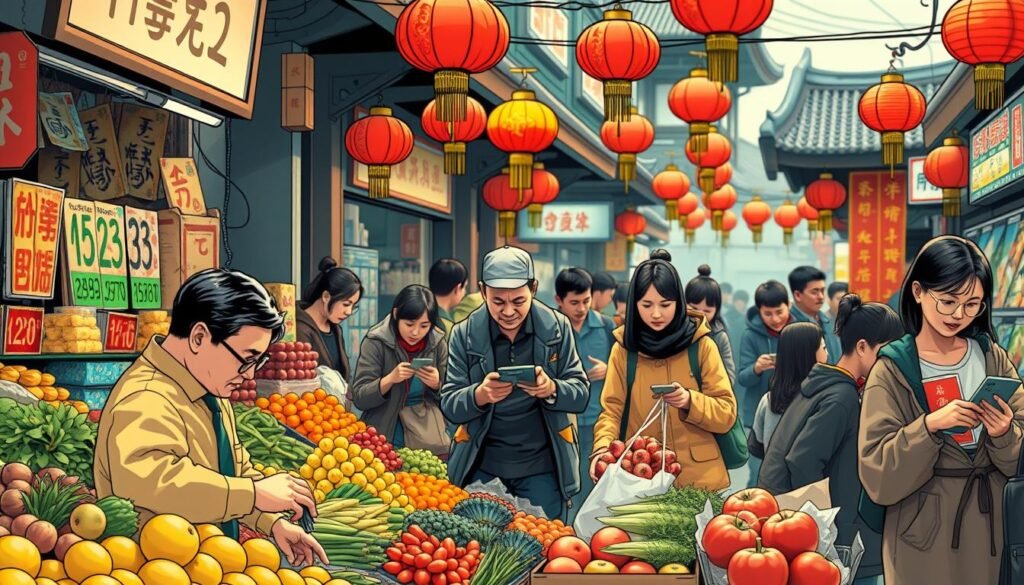
Numbers play a significant role in the everyday lives of people in Chinese culture. They influence everything from the phone numbers we choose to the buildings we enter. Understanding this can help you appreciate how deeply numbers are woven into daily decisions.
Phone Numbers and License Plates
Phone numbers are a huge deal. A number packed with 8s can sell for crazy amounts. For example, the phone number (+86) 8888 8888 sold for $1.5 million in 2017. That’s right! Businesses are willing to invest big bucks for numbers that promise luck.
Sichuan Airlines even dropped about $280,000 on the number +86 28 8888 8888 back in 2003. This shows just how seriously companies take these lucky numbers. License plates are another area where numbers shine through in Chinese culture.
In 2016, a Hong Kong plate reading “28” sold for over $2 million because it sounds like “easy money” in Cantonese. People line up and bid hard to get plates with 8s, 6s, and 9s. Meanwhile, plates with 4s tend to get passed over.
Buildings and Floor Numbers
When it comes to buildings, you’ll see unlucky numbers actively avoided. Walk into a high-rise in Shanghai, and you might notice the 4th floor is missing. Some buildings skip every floor with a 4 in it, so you might go from 3 to 5, then 12 to 15. It can get pretty confusing if you’re not used to it!
The Petronas Twin Towers in Malaysia proudly stand at 88 floors each, doubling down on that lucky 8 symbolism. Recently, Beijing passed legislation requiring new buildings to use accurate floor numbers instead of skipping them. No more avoiding numbers just because they sound unlucky!
In daily life, these number preferences shape everything from what address you choose to what phone number you’ll pay extra for. It’s woven into the culture in a really practical way.
The Impact of Number 10 on Business and Success
Have you considered how the number 10 plays a role in the business landscape of Chinese culture? While 8 takes the spotlight for attracting wealth, 10 has its own unique significance.
This number symbolizes completeness and reliability. The phrase 十全十美 (shí quán shí měi) is often used in business to describe flawless service or perfect products. It’s a promise of quality that companies strive to uphold.
Additionally, the concept of 十成 (shí chéng) translates to “one hundred percent.” This indicates that a project or venture is fully accomplished. In traditional Chinese business philosophy, reaching 10 signifies the successful completion of an endeavor.
Although you won’t see the same excitement for numbers with 10 as you do for 8, it still carries weight. Businesses that incorporate 10 into their branding might convey, “We’re solid, we’re real, and we deliver on what we promise.”
Here’s a quick look at how 10 stacks up against other significant numbers:
| Number | Significance | Common Usage |
|---|---|---|
| 8 | Wealth and prosperity | Business names, phone numbers |
| 6 | Smoothness and ease | Office addresses, service promises |
| 9 | Longevity and eternity | Weddings, anniversaries |
| 4 | Death and bad luck | Avoided in buildings |
| 10 | Completeness and reliability | Branding, quality assurance |
So while 10 may not attract fortune like 8, it has its own role in the business world. It represents doing things right and ensuring that everything is up to standard.
Number 10 in Chinese Weddings and Special Occasions
In Chinese weddings, numbers play a vital role, enriching the celebration with deeper meanings. The number 9 often takes the spotlight, as it sounds like the word for “long lasting” (久, jiǔ). Couples frequently choose dates with 9s or give gifts in multiples of 9 to symbolize enduring love.
However, the number 10 has its own lovely role to play. The phrase 十全十美 (shí quán shí měi) serves as a beautiful blessing for a marriage, wishing the couple a union that’s perfect and complete in every way. This phrase highlights the significance of 10 in celebrating love.
Some couples embrace this by planning their wedding around the number 10. They might select October 10th (10/10) as their wedding date, doubling up on that perfection symbolism. A wedding banquet could feature 10 courses, with each dish representing a different wish for the couple’s life together.
The idea of 10 as a “perfect match” fits seamlessly with the concept of marriage. It symbolizes two people coming together to create something whole and balanced. While 9 emphasizes the length of the marriage, 10 focuses on the quality of it, representing the hope that everything will be just right.
You’ll also see 10 reflected in the gifts people give. It’s not necessarily about giving ten items, but rather in the well wishes inscribed on red envelopes. Parents might bless their children with the hope that their marriage is 十全十美, flawless and complete.
This tradition is quieter than the flashy use of 8 or 9, but it carries heartfelt meaning. For couples wanting their wedding to convey a message of wholeness rather than just longevity or prosperity, incorporating 10 is a beautiful choice.
Using Number 10 in Gifts and Celebrations: What to Know
The significance of numbers in gift-giving reflects deeper cultural beliefs and practices. In Chinese culture, gift-giving comes with its own set of number rules, and it’s good to know them before you hand something over.
The big rule is that pairs are good. Giving things in twos plays into the idea that good things come in pairs, so you’ll see gifts presented in even numbers. For example, two sets of anything can bring joy and good fortune.
On the flip side, number 4 is a definite no-go. You don’t want to give four of anything because it sounds like death, and that’s not the vibe you’re going for at a celebration. Avoiding this number helps keep the mood light and positive.
When it comes to monetary gifts, like the red envelopes handed out during Chinese New Year and weddings, amounts with 8s are often used. Think of 88 or 888 yuan, as these numbers are all about wishing prosperity.
So where does 10 fit in? While it’s not the most common number for money gifts, it has its place in other kinds of presents. Giving a set of 10 items can be a really thoughtful gesture. It carries the message of 十全十美 (shí quán shí měi), wishing the person a life that’s complete and perfect.
For occasions like birthdays or housewarmings, a gift of 10 carefully chosen things shows you put thought into it and you’re sending a meaningful blessing. It’s not about the fortune or prosperity that 8 promises. Instead, it’s about wholeness and genuine care.
If you’re ever unsure, just remember: avoid 4, embrace pairs, and if you want to use 10, do it with the intention of wishing someone a full and happy life. The significance of 10 in gifts is subtle, but for someone who understands the culture, it can be a really touching choice.
| Number | Meaning | Usage in Gifts |
|---|---|---|
| 8 | Prosperity | Common in monetary gifts |
| 4 | Death | Avoided in all gifts |
| 10 | Completeness | Thoughtful gifts |
| 2 | Good fortune | Pairs are preferred |
Common Misunderstandings About Number 10 and Luck
Many people have misconceptions about how number 10 fits into Chinese culture. It’s easy to think that because it doesn’t get the same attention as 8, it must be unlucky. But that’s simply not true. Number 10 holds a neutral to positive place in this rich culture.
Some folks believe that 10 should be the luckiest number since it represents perfection. However, perfection is often reserved for the divine in Chinese beliefs. Humans tend to aim for 9, as it’s the highest number that doesn’t step on divine toes.
Another common mix-up is the idea that 10 should be used like 8 in phone numbers or business names. But 10 doesn’t attract wealth or good fortune in a superstitious sense. Its significance is more about what it represents: completeness and truth.
If you’re new to the nuances of Chinese numbers, it’s easy to lump them into “lucky” or “unlucky” categories. Number 10 shows that there’s a middle ground. Understanding this can help you avoid awkward moments and shows you’ve taken the time to appreciate the culture.
- There are a few misunderstandings floating around about 10 and luck, so let’s clear those up.
- First off, some folks think that because nobody’s fighting over 10s in a phone number auction, 10 must be unlucky. That’s just not the case.
- Number 10 is solidly in the neutral to positive zone. It doesn’t have the scary sound associations that 4 has, and nobody’s avoiding it.
- Another mix up is the idea that 10 should be the luckiest number of all because it means perfect. But in Chinese culture, perfection is for the gods, not for people.
- That’s why 9 gets more attention in daily life. It’s the highest number humans can realistically aim for without stepping on divine toes.
- Some people also get confused and think they should be using 10 the same way they use 8, like in business names or on license plates.
- But 10 doesn’t work like that. It’s not a magnet for wealth or good fortune in the superstitious sense.
- Its significance is more about what it represents: completeness, truth, and being solid. It’s a philosophical number, not a lucky charm.
- If you’re new to Chinese number beliefs, it’s easy to lump all numbers into “lucky” or “unlucky” buckets. But 10 shows there’s a middle ground.
- Understanding this helps you avoid awkward moments and shows you’ve taken the time to get the culture right.
| Misunderstanding | Clarification |
|---|---|
| 10 is unlucky | 10 is neutral to positive in Chinese culture. |
| 10 is the luckiest number | Perfection is reserved for the divine; humans aim for 9. |
| 10 should be used like 8 | 10 represents completeness, not superstition. |
| All numbers are either lucky or unlucky | 10 shows there’s a middle ground in beliefs. |
Is 10 a Lucky Number in Chinese? Final Thoughts on Its Significance
Numbers often tell stories about culture and tradition, don’t they? So after all this, is 10 a lucky number in Chinese culture? The answer is a bit more interesting than a simple yes or no.
If by “lucky” you mean a number that people believe will bring them wealth or good fortune, then no, 10 isn’t really in that club. That’s 8’s territory. But if you’re asking whether 10 is a positive number with real cultural significance, then absolutely. It’s just a different kind of positive.
Number 10 stands for being complete, being real, and being perfectly whole. The phrase 十全十美 captures that beautifully. It’s not a number you chase for superstitious reasons. You won’t see someone paying extra for a phone number with 10s in it.
But you will see it used in meaningful ways: in wedding blessings, in business promises of quality, and in gifts that carry a wish for a full and happy life. In a culture where numbers carry so much weight, 10 holds its own by being quietly respected rather than loudly celebrated.
It’s considered lucky in the sense that it represents an ideal state, but it’s not a luck magnet the way 8 or 6 are. If you’re interacting with Chinese culture, you can feel good about using 10. It’s safe, it’s positive, and it shows you understand its deeper meaning.
At the end of the day, 10 is the number of wholeness. And there’s something pretty special about that.
| Aspect | Details |
|---|---|
| Wealth and Good Fortune | Not associated with luck like 8 |
| Cultural Significance | Represents completeness and truth |
| Common Usage | Weddings, business, and thoughtful gifts |
| Respect Level | Quietly respected, not flashy |
How to Respect Chinese Number Traditions Without Stress
Respecting number traditions can be easier than it seems. Just remember a few simple guidelines. Avoid giving gifts in sets of 4, as it sounds like death. Embrace even numbers and pairs for celebrations. When choosing a phone number or address for someone from this culture, lean toward numbers like 8, 6, or 9. Number 10 is always a safe choice, too.
You don’t need to memorize every superstition. Just being aware and thoughtful goes a long way. Most people will appreciate your effort, even if you don’t get everything perfect. In daily life, many won’t analyze every number you use. But on special occasions, a little thoughtfulness can show you care.
So take what you’ve learned, use it when it counts, and don’t overthink the rest. Being aware is already more than most people do!