
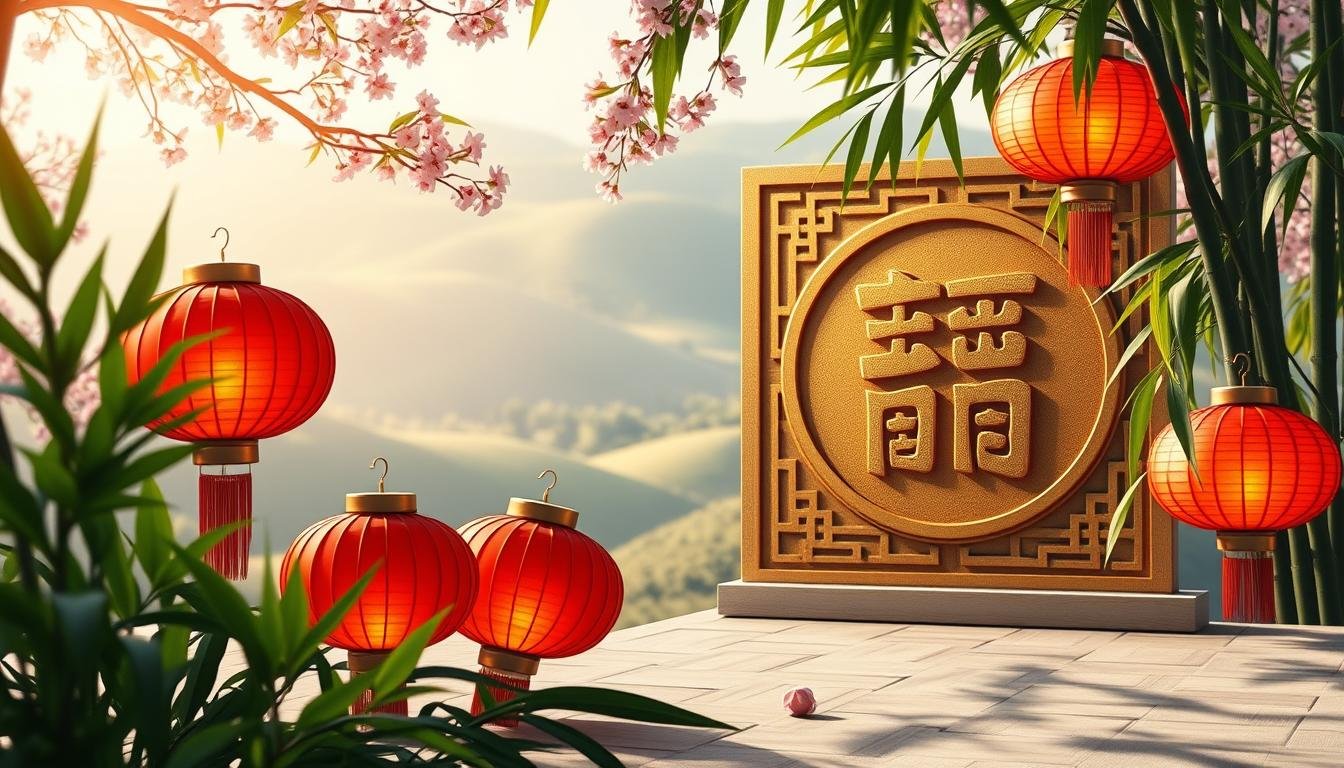
You’ve probably heard someone mention their lucky number before, maybe it’s 7 or 8. But what about 2? The question “is 2 a lucky number” pops up more often than you’d think. This number holds a special place in many cultures, especially in Chinese traditions.
In Chinese culture, 2 symbolizes good fortune. It sounds like the word for “easy” and “bright.” There’s even a saying: “good things come in pairs.” This belief shapes how people view life and relationships. Think about it—pairs are everywhere, from shoes to couples walking hand in hand. That idea of togetherness makes 2 unique.
Over the years, people have looked to numbers for guidance. The number 2 often appears as a gentle force influencing wedding dates and business names. This guide will explore the full story behind 2, from its roots in Chinese culture to its impact on modern life.
So, grab a cup of coffee, get comfortable, and let’s chat about why the number 2 might just be the luckiest number you haven’t been paying attention to.
Key Takeaways
- The number 2 is often seen as a symbol of good fortune in Chinese culture.
- It represents togetherness and harmony, as seen in many aspects of life.
- Understanding its significance can enhance your perspective on luck.
- People often associate 2 with positive outcomes in relationships and decisions.
- This guide will cover various aspects of the number, including traditions and modern views.
What Does It Mean For a Number to Be Lucky?
What exactly does it mean when someone calls a number lucky? It’s not just about picking a random digit and hoping for the best. In many cultures, a lucky number is believed to bring good fortune, positive energy, or favorable outcomes. People often incorporate these numbers into their lives in various ways.
In Chinese culture, this idea takes on deeper significance. Numbers aren’t just symbols for counting; they carry profound meanings based on their pronunciation. For instance, the word for the number 8 sounds like the word for prosperity, making it highly regarded. Conversely, the number 4 sounds like the word for death, leading many to view it as an unlucky number.
This belief isn’t limited to China. Other cultures that use Han characters also share similar views on numbers. For example, you might notice people paying extra for phone numbers with lucky digits or avoiding certain floors in buildings that feature an unlucky number.
The meaning behind lucky numbers can vary across regions. What one culture sees as lucky might be neutral or even unlucky in another. This diversity keeps things interesting and shows how culture shapes our understanding of luck.
At its core, believing in lucky numbers offers a little extra hope and positivity in everyday life. Who couldn’t use a bit more of that?
Why Is 2 Considered Lucky in Chinese Culture?
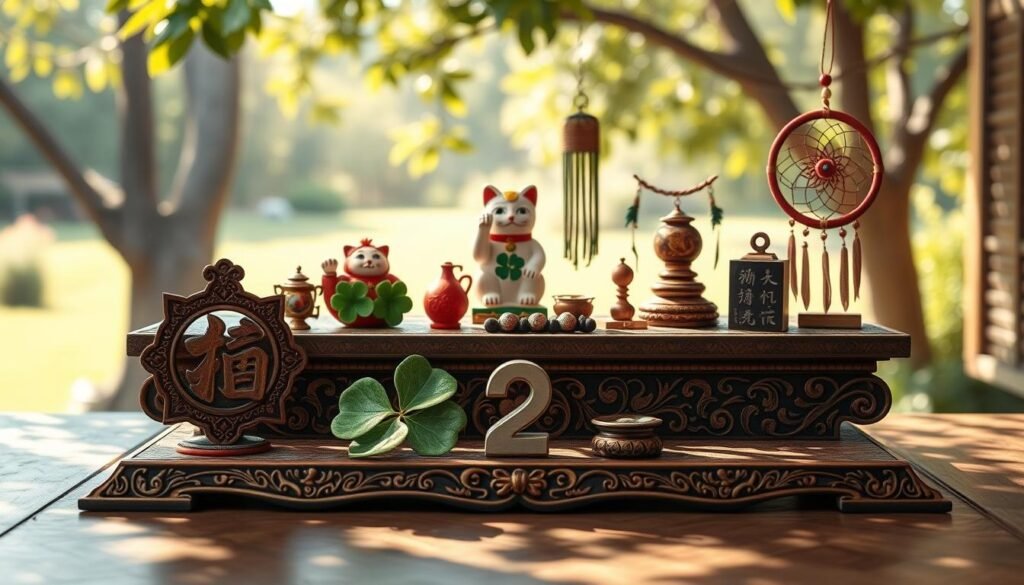
Have you ever wondered why some numbers hold special significance in cultures around the world? In Chinese culture, the number 2 is often celebrated for its positive connotations. This number sounds like the words for “easy” and “bright” in Cantonese, which adds to its charm. The saying, “good things come in pairs,” perfectly captures the essence of this belief.
“Good Things Come in Pairs” Explained
If you’ve spent any time around Chinese culture, you’ve probably heard that phrase. It truly embodies why this number is cherished. The idea suggests that happiness multiplies when shared. It’s a simple yet profound thought that resonates deeply.
Wedding Customs and Double Happiness
Walk past any Chinese wedding, and you’ll spot the double happiness character 囍 on doors and windows. This symbol, made of two 喜 characters, represents marital bliss. During wedding ceremonies, it’s common to decorate with this character, symbolizing good fortune for the couple.
Names, Gifts, and Ceremonies Involving 2
When parents choose names for their children, they often include the word “Shuang,” meaning double, to invite extra luck. There’s also a lovely tradition where married women bring duplicate gifts when visiting their parents. This custom strengthens family bonds and shows respect.
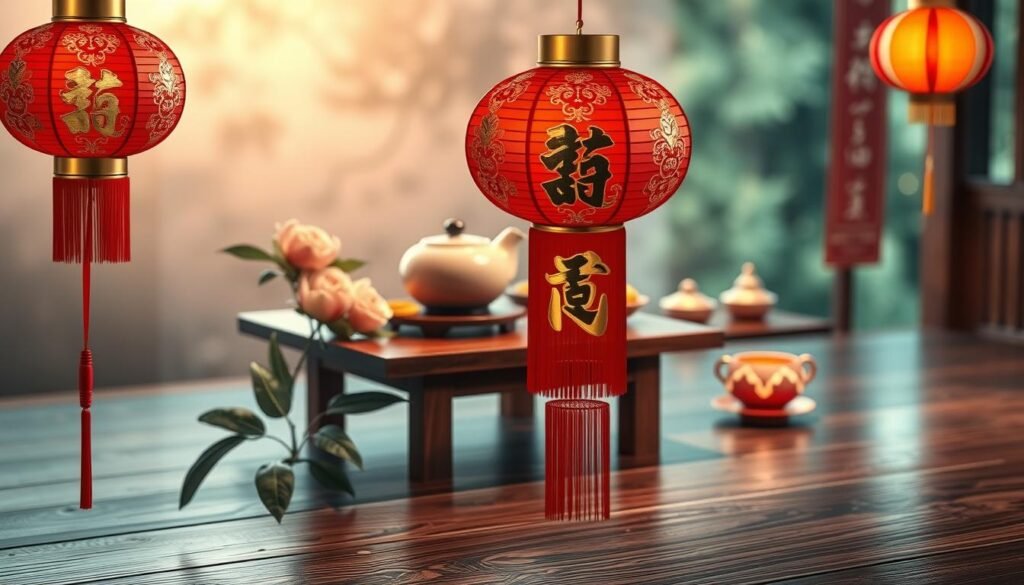
During celebrations, phrases like “Bi Yi Shuang Fei” are often heard, wishing couples a lifetime of devotion. Even in daily life, many Chinese people select dates with the number 2 for significant events. And during Chinese New Year, decorations often appear in pairs, spreading joy and positivity.
Ultimately, the number 2 symbolizes more than just romantic love. It represents harmony in all relationships, emphasizing that we’re better together than alone.
The Personality Traits Linked to Number 2
Every number carries its own unique personality, and the number 2 is no exception. People who resonate with this number often thrive on close connections. They’re the friends who actually call instead of just texting. Generally, they dislike being alone for too long, which shapes their interactions.
This number brings a natural sensitivity that allows individuals to read a room in seconds. They often pick up on feelings that others might miss. This trait makes them excellent at analyzing problems and providing thoughtful advice.
Interestingly, number 2 folks display a fascinating blend of energies. Women often possess a touch of masculine strength, while men may exhibit a certain feminine charm. This duality can be seen in their personal appearance and behavior.
Strengths and Weaknesses
When it comes to strengths, these individuals are patient, mild-mannered, and polite. They create a comfortable atmosphere for those around them. People tend to rely on them, as they are reliable in both small and significant matters.
Moreover, their merciful and tolerant nature means they are always there to support others. With graceful behavior, they rarely lack admirers. However, let’s be real about their weaknesses. Number 2 personalities can be painfully shy, which may lead to missed career opportunities and love interests.
They often struggle with decisiveness and can be easily influenced by their surroundings. This tendency to muddle through life without clear ambition can lead to frustration, especially when tasks become repetitive.
What 2 Means in Relationships
In romantic relationships, sensitivity can complicate matters. A partner’s small refusal may feel like a significant rejection. While they are particular about who they let in, they can also depend on that person too much.
The big lesson for those linked to number 2 is finding balance. They need to understand when to stop asking for too much from their partners. This balance helps relationships breathe and grow.
When they get it right, number 2 individuals bring incredible warmth and devotion to their relationships. This makes their partners feel truly seen and loved.
| Traits | Strengths | Weaknesses |
|---|---|---|
| Social Connections | Reliable and supportive | Shy and indecisive |
| Sensitivity | Great at problem-solving | Easily frustrated |
| Character Blend | Charming and graceful | Overly dependent |

When 2 Isn’t So Lucky: The Other Side of the Number
While many celebrate the number 2, there are also fascinating cultural nuances that show its less favorable side. This number isn’t all about double happiness and wedding decorations. Depending on where you are in China, its meaning can shift dramatically.
Regional Slang and Negative Meanings
In Shaanxi Province, calling someone “Er” (二) is a playful jab, suggesting they’re reckless or intemperate. If someone calls you “Er Bai Wu” (Two Hundred and Fifty), it’s definitely not a compliment! Up in Baoding and parts of northeastern China, the word can mean stupidity. Friends might tease each other with it, but it’s not something you’d want to hear in a serious conversation.
However, there’s a sweet twist among the Nankang Hakka people in Jiangxi Province. They affectionately give children nicknames like “Er Zai” or “Er Zei,” believing that a humble name makes a child easier to raise. This shows that even within the same culture, meanings can vary widely.
Interestingly, the number 24 in Cantonese sounds like “easy die” (易死), which people tend to avoid when picking phone numbers or license plates. There’s also an old saying about families with three kids. The eldest gets all the love, the youngest gets all the care, and the middle child, often the second, is said to be roughly brought up but ends up the most independent.
How Young People See 2 Today
Recently, young people have flipped the script on the number 2. They’ve embraced “Er” as a positive term, associating it with being frank, innocent, and having a pioneering spirit. Many enjoy being called “Er Ge” (second elder brother) or “Er Jie” (second elder sister), viewing it as a badge of honor. This shows how cultural perceptions can evolve over time.
The popular northeastern performance art called Er Ren Zhuan, a lively song-and-dance duet, highlights how the number 2 is woven into entertainment and culture in ways that aren’t about luck at all. It’s clear that the number 2, like most things in life, has layers of meaning that shift depending on context, region, and generation.
| Region | Meaning | Context |
|---|---|---|
| Shaanxi | Reckless | Insult |
| Baoding | Stupidity | Teasing |
| Nankang Hakka | Affection | Nickname |
| Cantonese | Easy die | Avoidance |

How 2 Fits Among Other Lucky and Unlucky Numbers
To understand where 2 stands, it’s essential to look at the entire lineup of lucky and unlucky numbers in Chinese culture. Each digit carries its own unique personality and reputation, making comparisons quite interesting.
The number 8 holds the title of the heavyweight champion of lucky numbers. It sounds like the word for “prosper” in both Mandarin and Cantonese. People often pay significant amounts for phone numbers that feature multiple eights. There’s even a visual resemblance between 88 and the double happiness character 囍, making 8 feel like a supercharged version of the good fortune that 2 represents.
Next up is the number 9, which has an imperial vibe. Historically tied to the Emperor of China, it sounds like “long lasting.” You’ll often see it at weddings and celebrations where people want things to endure forever.
Then there’s the number 6, which sounds like “smooth” in Mandarin and “good fortune” in Cantonese. This makes it a favorite among business people who desire everything to flow without obstacles.
On the unlucky side, the number 4 is one to avoid. It sounds almost exactly like the word for “death” in Cantonese. Buildings in Shanghai and other cities often skip floors that contain this number.
The number 13 gets a double dose of bad luck. Since 1 plus 3 equals 4, it carries the same death association and is considered unlucky in many cultures, including Western ones.
So, where does 2 fit in all this? While it may not be as flashy as 8 or carry the imperial weight of 9, it possesses a quiet, steady luck centered on harmony and partnership. This number symbolizes the beauty of things coming together nicely.
The combination 28 is particularly brilliant, pairing 2 (easy) with 8 (prosper) to mean “easy prosper” in Cantonese. This shows how 2 can amplify the luck of other numbers.
When you compare them side by side, 2 holds its own as a genuinely lucky number. It may not be the richest or the most powerful, but it’s the one that brings people together and doubles the good things in life.
| Number | Meaning | Context |
|---|---|---|
| 8 | Prosperity | Highly sought after in phone numbers and licenses |
| 9 | Longevity | Used in weddings and celebrations |
| 6 | Smoothness | Favored in business for smooth operations |
| 4 | Death | Avoided in buildings and gifts |
| 13 | Unlucky | Considered bad luck in various cultures |
Where You See Number 2 Showing Up in Life
Everywhere you look, the number 2 quietly influences daily life. From phone numbers to important dates, its presence is undeniable. This number holds a special place in Chinese culture, and its significance extends far beyond mere counting.
In Phone Numbers, Dates, and Culture
In China, people take phone numbers seriously. A number featuring lucky digits can fetch astonishing prices. For instance, the phone number (+86) 8888 8888 sold for $1.5 million in 2017. While the number 8 often steals the spotlight, the number 2 frequently appears in coveted combinations, symbolizing balance and harmony.
When it comes to dates, couples often choose wedding days that include the number 2. This practice reflects the idea of partnership, offering a cosmic boost to their union right from the start. The license plate “28,” which sounds like “easy prosper” in Cantonese, sold for over $2 million at a Hong Kong auction in 2016, showcasing how 2 enhances the allure of other numbers.
Take a stroll through any Chinese neighborhood, and you’ll notice decorations in pairs everywhere. Two lanterns flanking a doorway or matching couplets on either side of an entrance illustrate how this number permeates visual culture.
Business and Branding Influence
Businesses are also aware of the power of the number 2. You’ll find brand names that repeat characters to evoke a sense of double happiness. Companies often choose addresses and floor numbers that include 2 to foster positive associations. In buildings, while floors with the number 4 are often skipped due to its unlucky connotations, floors with 2 are welcomed as safe and positive.
Gift-giving traditions in China also reflect the influence of this number. Presents are often given in pairs or sets that include the number 2, as a single item can feel incomplete or lonely. Even in naming children, the character for double or pair appears to wish extra luck and completeness on new lives.
Ultimately, the number 2 might not be the flashiest digit, but it’s woven into the fabric of everyday life in ways that are practical, meaningful, and beautiful. When you start noticing its presence, you realize how it enriches various aspects of life.
The Impact of Number 2 on Relationships and Family Life
In the world of relationships, the influence of number 2 becomes quite apparent. This number embodies connection and partnership, which are essential in our lives. Those who resonate with it often find themselves thriving in close relationships with friends and family.
People linked to this number tend to dislike solitude. They crave closeness and invest effort into maintaining their bonds. However, they can be selective about who they allow into their inner circle. This selectiveness stems from a desire for meaningful connections.
In romantic relationships, sensitivity can lead to challenges. Small refusals from partners can feel like significant rejections. This sensitivity often makes them overly dependent on their partners for emotional support. It’s crucial for them to find a balance between independence and togetherness.
In Chinese culture, the concept of double happiness 囍 plays a vital role in marriage ceremonies. It symbolizes the joy of two people building a life together. This symbol reminds couples that marriage involves sharing both joys and burdens.
Family dynamics also reflect the impact of number 2. In families with three children, the middle child often receives less attention than the first or last. Yet, this experience can foster independence, helping them thrive later in life.
For those influenced by number 2, the challenge lies in managing attachment. They may seek more time and attention than their partners can give. Recognizing when to pull back is essential for sustaining healthy relationships.
Ultimately, learning to stand on their own while fully engaging in relationships can create stronger bonds. The balance between independence and togetherness leads to lasting happiness.
As Chinese culture illustrates, wedding ceremonies are rich with paired symbols and meanings. They honor the unique roles each partner plays, reinforcing the idea that true happiness in relationships comes from mutual support.
At the end of the day, the impact of number 2 teaches us that togetherness is beautiful. Yet, it works best when both individuals are whole on their own.
| Aspect | Influence of Number 2 | Example |
|---|---|---|
| Relationships | Focus on connection and partnership | Close friendships and family bonds |
| Marriage | Symbol of double happiness | Wedding decorations featuring 囍 |
| Family Dynamics | Middle child independence | Less attention but strong character |
What Number 2 Means for Your Luck and Fortune
What if I told you that the number 2 could enhance your luck and fortune? This number isn’t just about counting; it’s about inviting positive energy into your life. In Chinese culture, the number 2 symbolizes harmony and balance, suggesting that good things come in pairs.
The number 2 is considered lucky because it represents things coming together smoothly. Relationships flow better, and opportunities seem to double up when you least expect them. So, how can you work with the energy of 2? Let’s dive into some practical tips!
Practical Tips on Using 2 for Good Luck
- Start small! Pick a date with a 2 in it for an important meeting or event. You might find that the day feels more cooperative and easy.
- When giving gifts, especially for weddings or during Chinese New Year, consider presenting items in pairs. This simple gesture carries a lot of meaning and shows you wish double happiness for the recipient.
- Choose phone numbers that include 2, especially when paired with other lucky numbers like 8 or 6. These combinations are thought to bring balanced fortune, enhancing not just money but also smooth relationships.
- If you ever get the chance to choose a number with 28 in it, grab it! It sounds like “easy prosper” in Cantonese and is considered a powerhouse of luck.
- Chinese people have been using these number principles for generations. They select wedding dates, business opening dates, and even the numerical parts of their addresses based on what the numbers sound like and represent.
- Incorporating the number 2 into your life can be as simple as displaying paired decorations in your home. You might also choose a license plate or email address that includes this digit.
At its core, the number 2’s luck is about connection and harmony. It reflects the belief that good things really do come in pairs. That’s a lovely energy to invite into your world!
Thinking About Number 2: Why It Might Just Be Your Lucky Number
Exploring the essence of numbers can reveal insights into our lives and beliefs. After everything we’ve discussed, it’s clear that the question of whether 2 is a lucky number has a resounding yes behind it, albeit in a surprising way.
This number may not boast the flashy prosperity of 8 or the regal aura of 9, but it embodies heart and connection. In Chinese culture, 2 symbolizes the beauty of sharing life with others, where good things come in pairs.
It resonates with words like “easy” and “bright,” reminding us of the joy found in simplicity. Today, younger generations are reclaiming the term “Er,” transforming it into a symbol of authenticity and courage.
If you seek a number that brings warmth and connection, 2 might be the one for you. It teaches that true luck often lies in the relationships we nurture and the moments we share.
So, the next time you encounter this number, consider it a gentle reminder from the universe that good things are indeed on their way.