
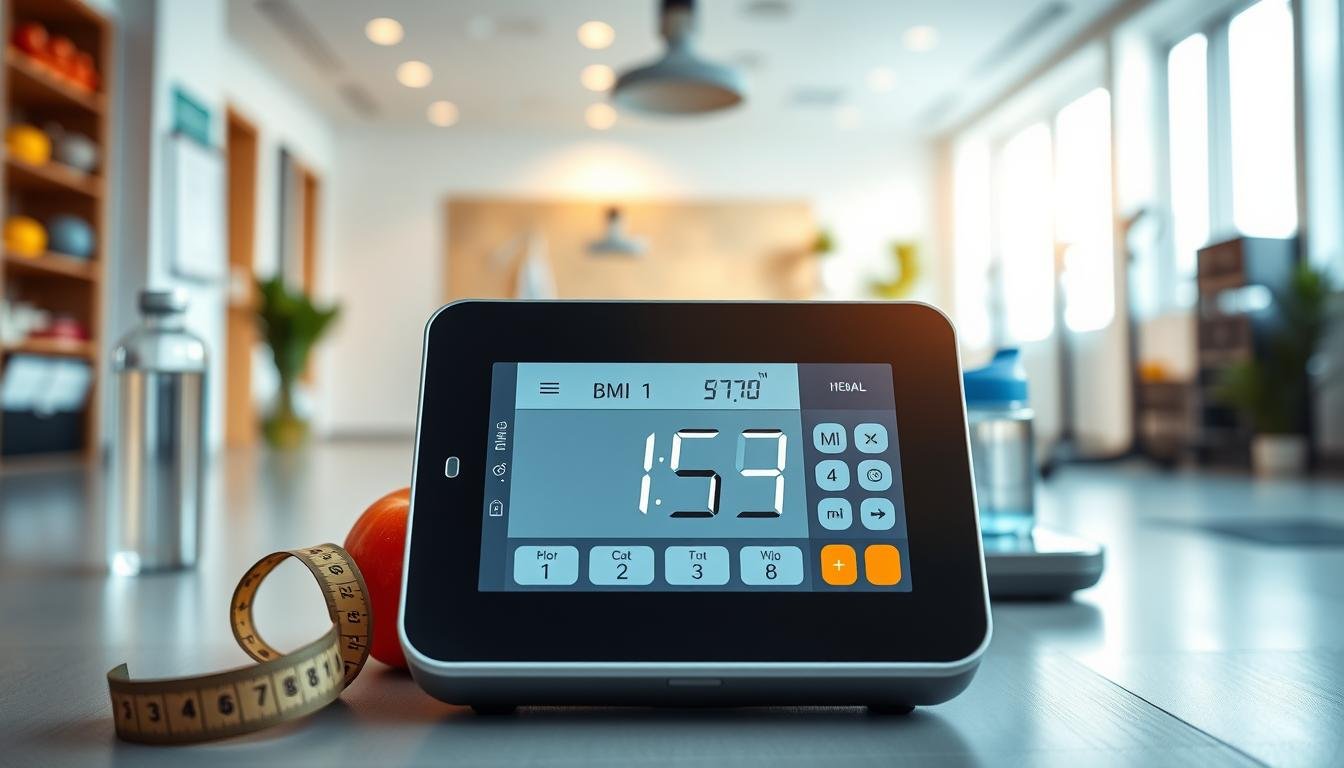
Welcome! If you’ve been curious about what your weight means for your overall health, you’re in the right place. Using a BMI calculator is a simple and quick way to get a sense of where you stand. It’s not a complicated medical test that requires a doctor’s appointment; rather, it’s a straightforward tool anyone can use.
Check your BMI with our calculator 👉
In just a few seconds, you can input your height and weight to receive a number that gives you a rough idea of your body and health. Millions of people use this tool daily to see if they might need to make some changes.
Don’t worry; this isn’t about judgment. It’s just information you can use however you want. The whole process takes less than a minute, and you don’t need any special knowledge or equipment. Plus, your results are private, meant for your curiosity or to discuss with your doctor.
This page will guide you through what BMI means and how to understand your results. Remember, taking a little time to check in on your health is always a smart move!
Key Takeaways
- A BMI calculator is an easy way to check your health.
- It requires just your height and weight for quick results.
- The process takes less than a minute and is completely private.
- This tool helps you understand your body without any judgment.
- Many people use it to see if they need to make lifestyle changes.
Understanding Body Mass Index for BMI Calculator Adults
Check your BMI with our calculator 👉
Body mass index might sound technical, but it’s simply a way to see if your weight is healthy for your height. Think of it like a fuel gauge in your car. It gives you a quick read on where you stand without needing to look under the hood.
So, how does it work? The number you get from the calculation helps categorize you into one of several groups. These categories are based on decades of research from respected organizations like the World Health Organization and the CDC.

What Is BMI and Why It Matters
BMI is a measurement that indicates whether a person has a healthy body weight for their height. It’s calculated using your weight and height. This simple tool provides valuable information about your body mass and can help you understand your health better.
BMI Categories Explained
Here’s a breakdown of the categories:
- Underweight: A BMI below 18.5
- Healthy Weight: A BMI between 18.5 and 24.9
- Overweight: A BMI between 25.0 and 29.9
- Obesity: A BMI of 30.0 or greater
Obesity is further divided into classes:
- Class 1: 30.0 to 34.9
- Class 2: 35.0 to 39.9
- Class 3: 40.0 or greater (also known as Severe Obesity)
How BMI Reflects Your Health
Maintaining a healthy weight range is where most people feel their best. It’s also linked to a lower chance of weight-related health issues down the road. However, being underweight isn’t just about being thin; it can come with concerns like low energy and a weaker immune system.
On the other hand, being in the overweight or obesity categories can signal that your body might be under extra strain. While these categories exist for a reason, remember that even small changes can make a big difference in your health.
It’s important to see your BMI as just one piece of a much bigger puzzle when it comes to feeling good and staying well. This screening tool is not a final verdict on your health, and many other factors play a role in your overall well-being.
Check your BMI with our calculator 👉
For more information on how to calculate your BMI, check out the CDC’s BMI Calculator.
How the BMI Calculator Adults Works
Calculating your body mass index is easier than you might think. This handy tool needs just two pieces of information: your height and weight. With these numbers, you can find out where you stand on the health scale.
Let’s break down what you need to enter. First, you’ll need your current height and weight. These are two numbers you probably already know or can find out in about thirty seconds. No complicated math is required!
What You Need to Enter: Height and Weight
When using the tool, you can enter your height in either feet and inches or meters. If you think in pounds, you can enter your weight that way too. The calculator handles both units without any fuss. If you’ve only ever used pounds and feet, that’s totally fine!
Using Different Units: Pounds, Kilograms, Feet, and Meters
Here’s how it works:
- Step on a scale and jot down your weight.
- Grab your height from your last doctor visit or measure it yourself.
- Plug these numbers into the calculator.
The calculator does its thing behind the scenes. It uses the standard formula, but all you see is a result pop up in an instant. For those who want to dig a little deeper, there’s something called BMI Prime. This is the ratio of your measured BMI to the upper limit of normal BMI, which is 25 kg/m². But most people just care about the main number!
Quick Step-by-Step Guide to Calculating Your BMI
Check your BMI with our calculator 👉
Here’s a quick overview:
| Step | Action |
|---|---|
| 1 | Find your weight in pounds or kilograms. |
| 2 | Measure your height in feet and inches or meters. |
| 3 | Enter your height and weight into the calculator. |
| 4 | Receive your BMI result instantly! |
Remember, there’s no wrong way to enter your information. If you make a mistake, just try again. This method is used by health organizations across the United States and around the world, so you can trust that the results are consistent and reliable.
Once you have your number, the next section will help you figure out exactly what it means for your day-to-day life.

Interpreting Your BMI Results and What They Mean for You
Interpreting your BMI is like reading a map; it guides you toward better health. Knowing your category is the first step in understanding your health journey. Here’s how to make sense of your results.
From Underweight to Obesity: Understanding Your Category
Your BMI number places you in a specific category, which helps you understand your weight in relation to your height. The categories are:
- Underweight: Below 18.5
- Healthy Weight: 18.5 to 24.9
- Overweight: 25.0 to 29.9
- Obesity: 30.0 or greater
Landing in the healthy weight range is a positive sign, but it doesn’t mean everything is perfect. Likewise, being outside this range doesn’t spell disaster. It’s just a starting point for your health journey.
Health Risks Tied to BMI Levels
It’s important to be aware of the potential health risks associated with different weight categories. For those who fall into the overweight or obesity categories, there can be long-term risks, such as:
- High blood pressure
- Type 2 diabetes
- Heart disease
- Certain cancers
However, these risks develop over time, not overnight. On the flip side, being underweight can lead to issues like malnutrition, weakened bones, and a higher chance of getting sick.
Additionally, where your body fat is located matters. Those with more weight around their midsection may face different risks compared to those who carry it in their hips. It’s essential to consider these factors as part of your overall health.
Why It’s Helpful to Talk to Your Healthcare Provider
Check your BMI with our calculator 👉
After getting your BMI result, discussing it with your healthcare provider is a wise move. They can help you see the bigger picture by considering other factors, such as your physical activity habits and family history.
Many doctors use BMI alongside other health checks, like blood pressure readings and blood tests, to provide a comprehensive view of your health. Whatever category you fall into, remember that there are always steps you can take to improve your well-being. Knowing your number is just the first step!

What BMI Doesn’t Tell You and What to Do Next
While many people rely on weight measurements, it’s essential to recognize the limitations of this method. For instance, a bodybuilder might have a high weight due to muscle mass, leading to an obese reading that doesn’t reflect their health. Conversely, an older adult may show a normal weight but have a high body fat percentage due to lost muscle over time.
Age and gender also play significant roles in interpreting these numbers. A 25-year-old and a 65-year-old with the same reading may have vastly different body compositions. Additionally, men and women naturally carry different amounts of body fat, which can skew results.
For children and teens, different tools are needed to account for their growth. The CDC uses growth charts instead of fixed categories for this age group. To gain a fuller picture of health, consider measuring waist size, tracking physical activity, or noting how clothes fit.
If you’re curious for more details, consult your doctor about skinfold measurements or body fat scans. Remember, use your result as motivation to make one small positive change, like taking a walk or adding a vegetable to your meals.
Check your BMI with our calculator 👉