

Creating a QR code has never been easier! With a user-friendly tool at your fingertips, you can generate codes without any hassle. You don’t need to jump through hoops or pull out your credit card. This absolutely free QR code generator is designed for everyone, from business owners to event planners.
Millions have already embraced this code-making tool for their various needs. Whether you want to share a link on flyers or share wedding photos, this generator is your go-to. No registration is required, and you won’t find any hidden fees lurking around.
In just seconds, you can create a code and download it as a high-quality image. The best part? The codes you generate will never expire and come with no scanning limits. It’s straightforward and efficient, making it perfect for anyone who wants to dive into marketing without the complicated tools.
Every code you create is yours to use however you see fit. So why wait? Start creating your codes today!
Key Takeaways
- No hoops to jump through or credit cards needed.
- Used by millions for various personal and business projects.
- No registration or hidden fees involved.
- Create and download high-quality images in seconds.
- Codes never expire and have no scanning limits.
- Perfect for marketing, events, and personal use.
- Simple process that saves time and effort.
What Is an Absolutely Free QR Code Generator?
Have you ever wondered what an online tool for creating QR codes really is? In simple terms, it’s a way to generate those unique patterns that link to information you want to share. QR codes, or Quick Response Codes, are a more advanced version of the barcodes you see on products. They can hold a lot more data, making them incredibly useful.
The concept dates back to 1994 when a Japanese company called Denso Wave created these codes to help track car parts in Toyota factories. This two-dimensional pattern of black and white squares was designed to speed up logistics. Fast forward to today, and you can find these codes everywhere, thanks to smartphones that act as scanners.
An online code generator is a handy tool that allows you to create these codes without spending a cent. There’s no catch, and you won’t find any hidden fees. You simply choose what type of information you want the code to store. This could be a URL to your website, plain text, contact details, or even a link to a video.
The generator takes your data and transforms it into that distinctive square pattern. Any modern device can read it with its camera. What makes these tools truly appealing is that they let you create as many codes as you want without limits on scanning. Users appreciate this simplicity, as it allows them to focus on sharing their information effectively.
For those in business and marketing, it’s a smart way to connect physical items like flyers and packaging with digital content such as landing pages and menus. The image you download is ready to use right away, whether you’re placing it on a poster or including it in an email signature.

How to Create Your QR Code in Minutes
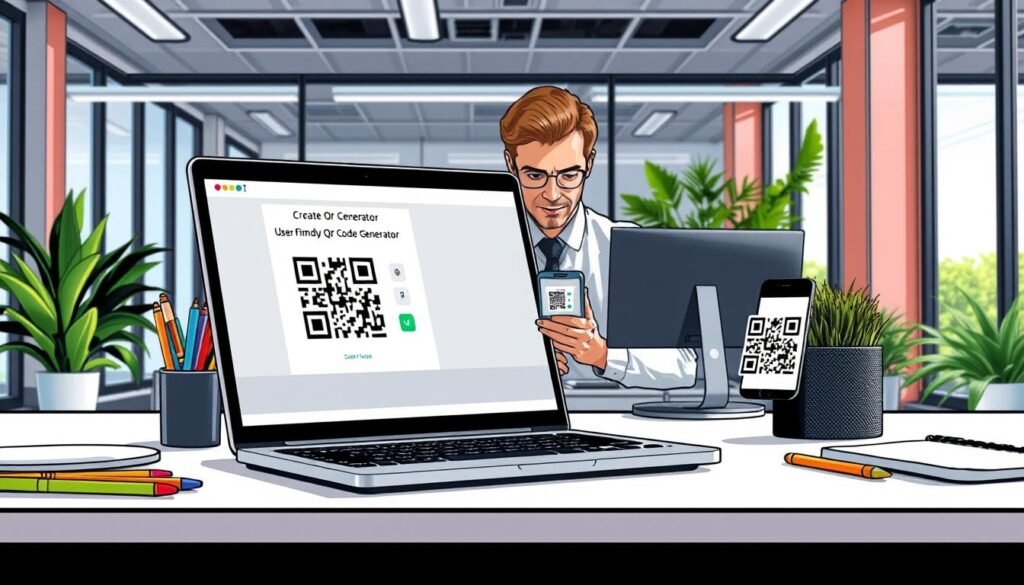
Getting your own unique code is a breeze and can be done in just a few minutes. You don’t need any technical skills, so anyone can do it. Let’s break it down into three simple steps.
First, pick the type of content you want your code to point to. You can choose from options like a URL for your website, a chunk of plain text, an email address, or even WiFi login details. This makes it super handy for sharing information without hassle.
Once you’ve selected the type, just fill in the necessary details. Paste that link, type out your message, or enter whatever data you want to store. The code generator works its magic instantly and shows you a preview right on the page.
Before you download, test it out with your phone’s camera app to ensure everything works perfectly. When you’re happy with how it looks, hit download and grab the image file. It really is that simple!
No registration forms to fill out, no confirmation emails to wait for, just a free code ready to go. The whole web-based tool runs right in your browser, so there’s nothing to install or update.
You can create code after code without any limits. Feel free to make separate ones for different campaigns or pages on your website. The generator handles all the complicated encoding stuff behind the scenes, so you never have to think about it.
Designing and Customizing Your QR Code
Customizing your QR code adds a special touch that can attract more scans. While a plain black and white code works just fine, adding some personal flair can significantly boost its appeal. A unique design not only catches the eye but also encourages people to engage with your content.
Adding Your Logo for a Personal Touch
One of the simplest ways to make your QR code stand out is by adding your logo. With tools like QRCode Monkey, it’s straightforward to incorporate your logo into the center of your code. Thanks to built-in error correction, your code remains scannable even with up to 30% of the pattern covered.
This error correction acts like a safety net. It allows your code to lose nearly a third of its visual data and still function properly. When adding a logo, aim for simple shapes and ensure there’s enough contrast for scanners to read the code easily.
Picking Colors and Styles That Stand Out
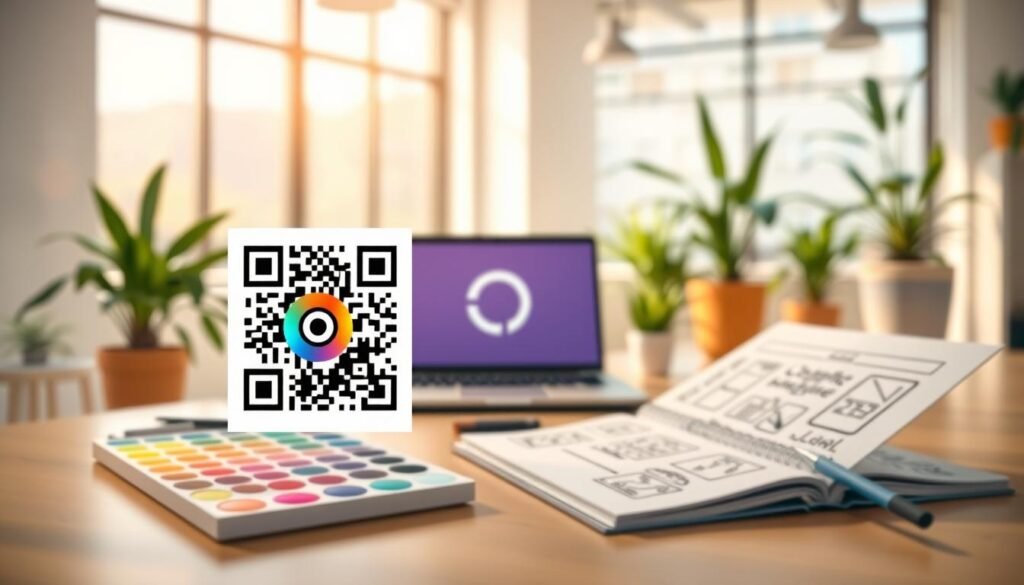
Colors are where you can really let your brand shine. You can select custom colors for the dark squares and the background to match your business palette. Some generators even let you apply a gradient color effect to the code body, making it look slick on marketing materials.
Don’t forget to tweak the design of the corner elements and individual modules. You can round them off or change their shape for a unique code image. The time you invest in design pays off, as an attractive code can pique curiosity and prompt people to scan it.
For business owners, a branded code with your logo and colors signals professionalism. It builds trust before anyone even scans the link. Just remember to keep the foreground darker than the background to ensure your code still looks like a code, not abstract art.
Static vs Dynamic QR Codes: What You Need to Know
When it comes to generating your own codes, you have two main options: static and dynamic. Each has its own set of features and benefits that cater to different needs. Let’s break them down so you can make an informed choice.
Static codes are the straightforward option. You simply enter a URL or some text, generate the code, and that information is baked right into the pattern forever. The upside is that static codes never expire and there’s no limit on scans. However, the tradeoff is that once you’ve printed them, you can’t change where they point. If you accidentally put the wrong link into a static code, you’re stuck with it. So, it’s crucial to double-check everything before you hit download.
On the other hand, dynamic codes work differently. They store a short redirect link, allowing you to change the destination URL anytime you want through a dashboard. This flexibility is a game changer for marketing. You can print dynamic codes on flyers or business cards and update the content later without reprinting anything. Plus, with dynamic codes, you get scan tracking. This means you can see how many people scanned your code, when they scanned it, and what device they used.
For business users running campaigns, dynamic codes offer the flexibility to fix mistakes and the data to measure what’s working. However, keep in mind that while many free code generators offer static codes with no limits, dynamic codes might come with some restrictions on daily scans or require an account.
Before you pick a code type, think about how you’ll use it. If the information will never change, static codes are perfect and hassle-free. But if you’re still testing ideas or plan to update the link regularly, dynamic codes save you from having to redo all your printed materials.

Getting High-Quality QR Codes for Print and Web
When it comes to generating top-notch codes, quality matters. If you’re looking to create a code that looks great both online and in print, you’ve come to the right place. High-resolution images are key to ensuring your code is easily scannable and visually appealing.
QRCode Monkey is a fantastic tool that offers print-quality codes. When you’re setting up your code, make sure to select the highest pixel size. This ensures you create PNG files that are perfect for print. You can also download vector formats like .svg, .eps, and .pdf for the best possible quality.
The .svg format is particularly useful. It keeps all your design settings intact, allowing you to use your code with most vector graphic software. Many free tools only provide low-resolution outputs, but QRCode Monkey stands out by offering vector formats too.
Here are some important points to consider:
- If you’re planning to print your code on anything larger than a business card, resolution is crucial. A fuzzy code is a useless code.
- The best free tools let you download your code image in high-resolution PNG format, ideal for web use and small to medium-sized prints.
- For professional printing, opt for vector formats like SVG, EPS, or PDF. These can scale up to billboard size without losing quality.
- The SVG format preserves all your design choices, including colors and logo placement, ensuring everything looks just as you intended.
- A good rule of thumb is to never print a code smaller than about 2 x 2 centimeters. Otherwise, some phone cameras might struggle to focus on it.
- When placing a code on a website or social media page, a standard PNG works perfectly and loads quickly.
- Color contrast is even more critical in print. Always test your code by scanning it from the actual material before you order thousands of flyers.
- Some generators only offer low-resolution files unless you pay, but truly free options provide print-ready downloads without compromising quality.
- For business owners needing codes on packaging, signage, or promotional materials, vector formats are essential.
- The URL or link encoded in the code doesn’t care about resolution, but your customers’ phones certainly do, so prioritize image quality.
By keeping these tips in mind, you can ensure that your codes look fantastic and work flawlessly, whether on a website or in print. Ready to create your high-quality code? Check out QRCode Monkey to get started!
| Format | Best For | Resolution | Design Options |
|---|---|---|---|
| PNG | Web Use | High | Limited |
| SVG | Professional Printing | Scalable | Full |
| EPS | Vector Graphics | Scalable | Limited |
| Classic QR Codes | High | None |
Understanding Tracking, Scan Limits, and Expiration
Curious about what happens after you create your code? Let’s explore tracking and limits. One of the most frequently asked questions about free code generators is whether the codes stop working after a while. The answer for static codes is a solid no.
Static codes from a reputable generator have no expiration date and no scan limit. This means you can confidently place them on packaging that sits on shelves for years without worry. Some commercial generators cap your scans or make codes expire to push you toward paid plans, but the truly free ones don’t play those games.
Dynamic codes are a different story. Free accounts might limit you to something like 50 or 100 scans per day. This is fine for small projects but worth knowing upfront. Tracking is where dynamic codes really shine. You can see scan data like how many people visited, what time of day they scanned, and whether they used an iPhone or Android device.
Some platforms even offer GPS tracking, allowing you to see where in the world your scans are coming from. This feature is pretty wild for a free tool! The scanner app on most modern phones works natively through the camera, so no extra app download is needed. This makes scanning frictionless for users.
If your code isn’t scanning, the usual culprits are low contrast between the foreground and background, too much data packed into the code, or a logo that’s covering too much of the pattern. You can also set up email notifications that ping you every time someone scans your dynamic code, complete with location and time info.
These frequently asked questions come up all the time because people worry about committing to a code and having it break later. But with static codes, you’re safe forever.
Everyday Ways to Use Your QR Codes
Your QR codes can do so much more than just link to a website. They’re versatile tools that can store various types of information. For instance, they can easily store a URL to make accessing a webpage as simple as a quick scan. They can also hold contact details, saving you from the hassle of typing out names, phone numbers, and emails.
Here are some everyday ways to put your QR codes to work:
- Business cards: A classic use case! Just slap a code on your card, and people can save your contact info in one scan.
- Restaurants: Many are using codes on tables that link to digital menus, allowing customers to browse without handling a sticky laminated page.
- Marketing teams: Codes on flyers and posters can send folks straight to a landing page or special offer without typing out a long URL.
- Product packaging: Smart placement here can link to setup instructions, warranty registration, or even a video showing the product in action.
- Event planners: Use codes on invitations to share venue details, schedules, or photo galleries after the big day.
- WiFi info: Create a code that stores your network info so guests can connect without asking for the password.
- Real estate: Agents often place codes on for-sale signs so anyone driving by can instantly see listing photos and pricing on their device.
- Plain text: Codes can also provide assembly directions or care instructions right on a product tag.
- Contact codes: Known as vCards, these bundle your name, phone number, email, and address into one scannable square.
- Print size: You can print codes at any size that fits your material, from tiny stickers on product tags to big centerpieces on event banners.
- PDF documents: A code can let you share menus, brochures, or instruction manuals without handing out paper copies.
- Branding: Customize your code with your logo and colors to turn a functional tool into a subtle marketing asset.
With so many options, it’s easy to see how QR codes can enhance your business and marketing efforts. So, why not start using them today?
Ready to Create Your Absolutely Free QR Code? Let’s Get Started
It’s time to dive into the world of QR codes and see how they can benefit you. You’ve got everything you need now to jump in and start making codes that actually do something useful for your business or personal projects.
The generator is ready to go—no account setup, no credit card, just pick your type and start creating. Whether you need a simple URL code for your website or a full contact card with your phone and email, the tool handles it all in seconds.
Don’t overthink the design stuff. Start with a basic code, test it with your phone’s scanner app, and then play around with colors and logo placement once you know it works. If you hit any snags, the frequently asked questions section on most generator sites covers common issues like error correction and size recommendations.
The beauty of a truly free code generator is that you can experiment without pressure. Make different codes for different links and see what sticks. For marketing folks, try putting codes on your next batch of packaging or print materials and watch how many people engage with your content.
So go ahead, open up the page, drop in your link or text, and have a working code downloaded to your device in under a minute. It really is that quick!